
When Should You Worry About a Head Injury Even If the Scan Looks Normal?
Introduction
Head injuries are more common than a lot of people think, honestly. They can show up during road accidents, falls, sports activities, work-related incidents, or even the little everyday moments at home. After someone gets hit on the head, many feel sort of relieved when their CT scan or the imaging report comes back normal. And yeah, that’s encouraging, but still it doesn’t always mean that every single issue has been completely sorted out.
Sometimes symptoms keep going, or they can pop up later even if the scan looked fine. Knowing when those signs deserve real attention can make a difference, so complications don’t quietly build up and recovery is supported in a better way.
So if you are looking for head injury treatment in Jodhpur, it helps to understand which symptoms should never, ever be brushed aside, even if you already had imaging.
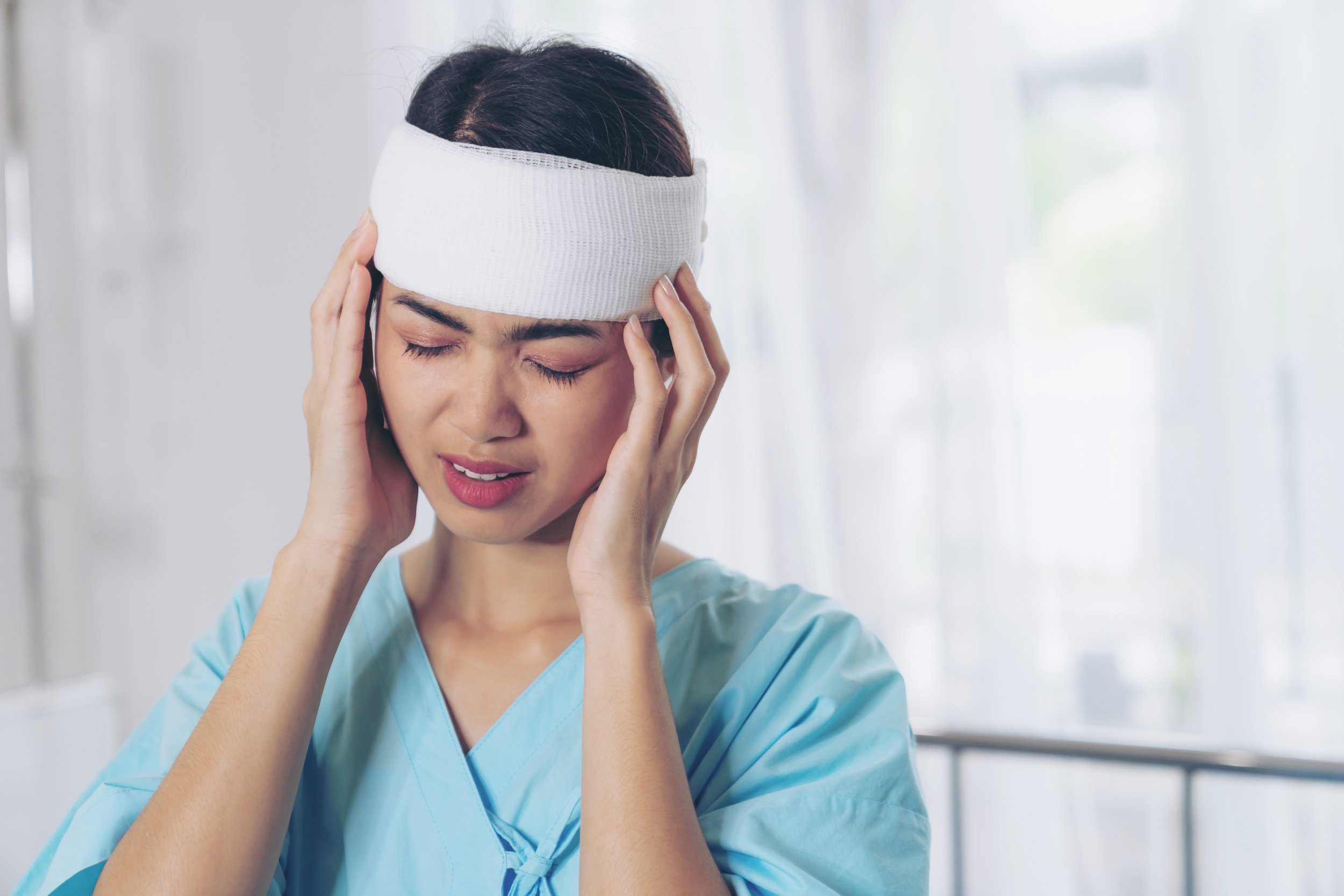
A normal scan after a head injury does not always mean everything is fine. Learn the warning signs to watch for, including persistent headaches, dizziness, confusion, vomiting, and delayed symptoms that may require immediate medical attention and timely evaluation for safer recovery and better outcomes.
Understanding Head Injuries
A head injury refers to any trauma that affects the scalp, skull, or brain. These injuries can vary from mild concussions to severe brain trauma.
Head injuries are generally classified into:
Mild Head Injury
This may involve temporary symptoms such as:
Headache
Dizziness
Nausea
Mild confusion
Fatigue
Moderate to Severe Head Injury
These injuries may lead to:
Loss of consciousness
Memory issues
Neurological changes
Bleeding inside the skull
Difficulty speaking or moving
Even when initial imaging looks normal, symptoms should still be monitored carefully.
Why Can a Scan Look Normal After a Head Injury?
Many people assume that a normal scan means there is no injury. However, imaging tests mainly detect structural changes such as fractures, bleeding, or visible swelling.
Some conditions may not immediately appear on imaging, including:
Mild concussion
Temporary brain function changes
Small delayed bleeds
Microscopic injury
Soft tissue trauma
That is why doctors often recommend observation and follow-up if symptoms continue.
Warning Signs You Should Never Ignore
A normal scan should not stop you from seeking medical care if symptoms become worse.
Watch for these warning signs:
Persistent or Severe Headache
Headaches that continue for several hours or increase in intensity may need medical attention.
Repeated Vomiting
Vomiting more than once after a head injury may indicate a more serious concern.
Confusion or Memory Loss
Difficulty remembering recent events or unusual confusion should never be ignored.
Drowsiness or Trouble Staying Awake
Extreme sleepiness or inability to stay alert can be a warning sign.
Changes in Vision
Blurred vision, double vision, or unusual eye movements should be evaluated.
Weakness or Numbness
Sudden weakness in the arms, legs, or facial muscles requires urgent attention.
Speech Difficulties
Trouble speaking clearly or understanding others may indicate neurological changes.
Seizures
Any seizure activity after a head injury requires emergency care.
People experiencing these symptoms often begin looking for a head injury hospital in Jodhpur for immediate evaluation.
Symptoms That May Appear Hours or Days Later
Some individuals feel fine immediately after an injury but notice symptoms later.
Delayed symptoms may include:
Difficulty concentrating
Mood changes
Increased sensitivity to light
Sleep disturbances
Balance problems
Slower thinking
Persistent fatigue
These symptoms should not be dismissed, especially if they interfere with normal activities.
Who Needs Extra Monitoring After a Head Injury?
Certain groups require additional observation even when scans appear normal.
Children
Children may not always communicate symptoms clearly.
Older Adults
Recovery may take longer, and complications can sometimes develop later.
Patients Taking Blood Thinners
These individuals may have an increased risk of delayed bleeding.
Athletes
Sports-related head injuries need careful return-to-play decisions.
Accident Victims
Road traffic injuries can involve hidden trauma that becomes noticeable later.
When Should You Visit an Emergency Hospital?
Emergency evaluation becomes important if symptoms worsen or new symptoms develop.
Seek immediate medical care if you notice:
Loss of consciousness
Difficulty breathing
Sudden confusion
Severe headache
Repeated vomiting
Seizures
Weakness in any body part
Many people search for an emergency hospital near me Jodhpur during these situations because timely treatment can significantly improve outcomes.
Importance of Trauma Care in Head Injury Cases
Trauma care plays a major role in evaluating and treating head injuries.
A hospital equipped for trauma management can provide:
Emergency assessment
Neurological observation
Imaging services
Monitoring of vital signs
Rapid medical intervention if needed
Searching for a trauma care hospital near me often becomes necessary after accidents or sudden worsening symptoms.
How Is Head Injury Treated?
Treatment depends on symptom severity and clinical findings.
Common treatment approaches include:
Observation
Doctors may recommend monitoring symptoms for a period of time.
Medication
Pain management and symptom control may be provided.
Rest and Recovery
Physical and mental rest can support healing.
Repeat Evaluation
Additional imaging or specialist consultation may be advised if symptoms continue.
Emergency Care
Severe injuries may require immediate interventions and hospital admission.
Access to an experienced emergency treatment hospital in India can support timely diagnosis and management.
Recovery Tips After a Head Injury
Following recovery recommendations may help improve outcomes.
Rest Properly
Allow the brain enough time to recover.
Avoid Strenuous Activity
Heavy exercise should be limited until medically cleared.
Stay Hydrated
Good hydration supports overall recovery.
Reduce Screen Time
Excessive screen exposure may worsen headaches.
Attend Follow-Up Visits
Medical review helps monitor healing.
Report New Symptoms
Any unusual changes should be discussed immediately.
Why Choose JMCH?
JMCH provides emergency support, advanced diagnostic facilities, coordinated trauma care services, and experienced medical teams focused on timely evaluation and treatment. With an approach centered on rapid assessment, continuous monitoring, and patient-focused care, the hospital supports individuals requiring emergency attention following head injuries and trauma-related conditions.
Frequently Asked Questions
1. Can I have a concussion even if my scan is normal?
Yes. Concussions often involve functional changes that may not appear on standard imaging.
2. How long should symptoms last after a mild head injury?
Recovery time varies, but persistent symptoms should be reviewed by a doctor.
3. When should I return to normal activities?
Return only after symptoms improve and based on medical advice.
4. Is dizziness normal after a head injury?
Mild dizziness can happen initially, but persistent dizziness requires evaluation.
5. Should children be monitored differently after head injuries?
Yes, children may require closer observation because symptoms can be harder to recognize.
Final Thoughts
A normal scan after a head injury can feel kind of soothing, but it really shouldn't wipe out careful watching of symptoms. If headaches keep going, or confusion shows up , or there is vomiting, unusual sleepiness, or any odd neurological changes, that is the kind of thing that deserves medical attention.
And paying attention to how you feel in the hours and days after it happens is just as crucial as the scan result on its own. Getting checked early and getting care in time can help lower the chance of complications and help with a safer kind of recovery.
Do not ignore symptoms after a head injury just because the scan looks normal. If there’s a lingering headache, lots of vomiting, confusion, odd drowsiness, dizziness, memory changes, or symptoms that keep getting worse, it could mean you need further checks. Sometimes people think they’re fine, but the brain can be slower than the imaging, so it’s better not to assume. If you, or anyone near you, shows worrying signs after a head injury, get medical attention without delay. You can visit or schedule a consultation at JIET Hospital so you get a timely review, expert care, and more personalized treatment guidance for a safer recovery.
Disclaimer: This article is intended for educational and awareness purposes only and should not be considered a substitute for professional medical advice, diagnosis, or treatment. If symptoms continue, worsen, or new symptoms develop after a head injury, consult a qualified healthcare professional or visit the nearest emergency healthcare facility immediately. For timely evaluation and expert care, you may also visit JMCH.


