
Chest Pain at Night? 7 Causes You Shouldn’t Ignore
Introduction
It is 2 AM. You wake up with a tight, pressing sensation in your chest. Your heart is beating faster. You don’t know whether to call for help or wait it out. If this sounds familiar, you are not alone — and you should not dismiss it.
Chest pain at night is one of the most alarming symptoms a person can experience, and for good reason. While not every episode signals a heart attack, many causes are serious and demand prompt medical attention. In Jodhpur, where lifestyle-related heart conditions are increasingly common, understanding what nighttime chest pain means could quite literally save your life.
In this guide, we break down the 7 most common causes of chest pain at night, the warning signs you should never ignore, and what steps to take if it happens to you.
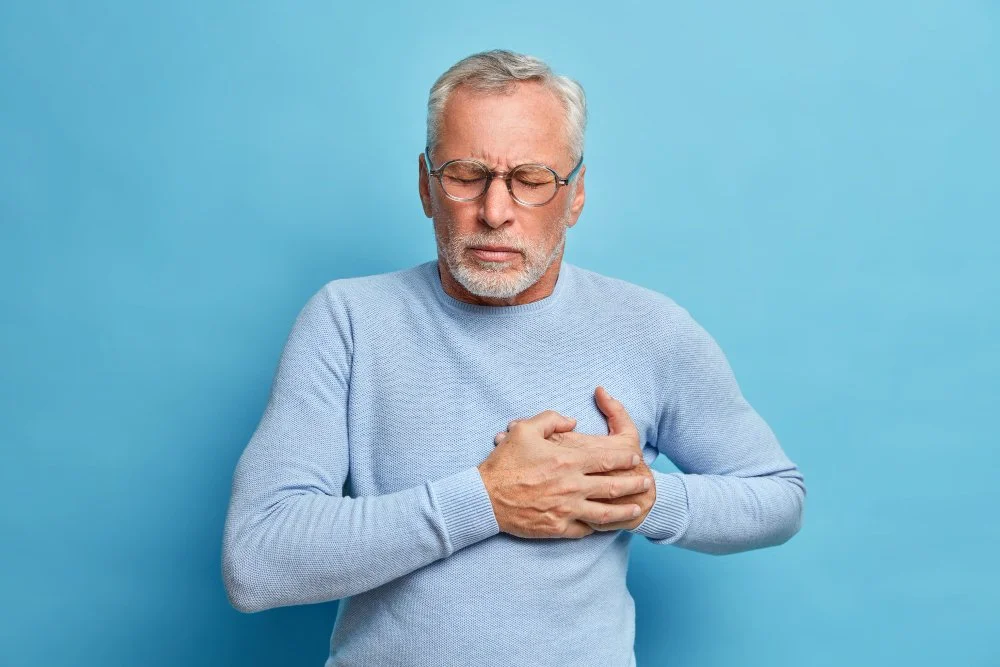
Chest pain at night is one of the most alarming symptoms a person can experience, and for good reason. While not every episode signals a heart attack, many causes are serious and demand prompt medical attention. In Jodhpur, where lifestyle-related heart conditions are increasingly common, understanding what nighttime chest pain means could quite literally save your life.
Here’s what you’ll learn in this guide:
• What nighttime chest pain actually means
• The 7 key causes — from cardiac to digestive to anxiety-related
• Red flag symptoms requiring emergency care
• How doctors diagnose and treat it
• Prevention tips you can follow starting today
• Why JIET Hospital is a trusted name for cardiac care in Jodhpur
Understanding Chest Pain at Night
Chest pain at night, also called nocturnal chest pain, is not a condition in itself — it is a symptom. What makes it particularly tricky is that the body’s position during sleep, hormonal changes, and reduced physical awareness can mask or amplify pain signals in ways that differ from daytime pain.
The discomfort can range from a dull ache to a sharp, stabbing sensation, or even a burning feeling that travels up the throat. Where the pain is located, how long it lasts, and what other symptoms accompany it are all critical clues your doctor will examine.
According to the National Institutes of Health (NIH), chest pain is one of the most common reasons for emergency department visits worldwide, and identifying whether the cause is cardiac or non-cardiac is the first and most essential step in treatment.
7 Causes of Chest Pain at Night You Should Know
1. Heart Attack (Myocardial Infarction)
A heart attack occurs when blood supply to a part of the heart muscle is blocked, typically by a clot in a coronary artery. Nighttime heart attacks are particularly dangerous because people may sleep through the early warning signs. The pain is typically described as a heavy pressure or squeezing in the centre of the chest, sometimes radiating to the left arm, jaw, or back. If this is what you feel, call emergency services immediately.
2. Angina (Unstable and Stable)
Angina is chest pain caused by reduced blood flow to the heart. Unstable angina — which can occur even during rest or sleep — is especially concerning, as it may precede a heart attack. People with known coronary artery disease are at higher risk of experiencing nocturnal angina. JIET Hospital’s Cardiology Department specialises in diagnosing and managing all forms of angina with advanced testing including angiography and stress-test evaluations.
3. Gastroesophageal Reflux Disease (GERD)
Acid reflux is one of the most common non-cardiac causes of chest pain at night. When stomach acid travels up into the oesophagus — often worsened by lying flat — it produces a burning sensation that can feel very similar to cardiac pain. This is known as heartburn, and it tends to worsen after heavy meals, spicy food, or eating close to bedtime.
4. Costochondritis (Musculoskeletal Pain)
The cartilage connecting your ribs to your breastbone can become inflamed, leading to sharp chest pain that worsens with movement, deep breathing, or pressure on the chest wall. This condition, called costochondritis, is more common than many people realise and is generally non-life-threatening, though it can be quite painful.
5. Anxiety and Panic Attacks
Anxiety-related chest pain is real and physically felt. During a panic attack, the body enters a “fight or flight” response — the heart races, breathing becomes shallow, and the chest may tighten significantly. Nighttime panic attacks can wake a person from sleep suddenly and feel very much like a cardiac event, making a proper diagnosis essential.
6. Pleurisy and Respiratory Conditions
Pleurisy is inflammation of the lining around the lungs. The resulting chest pain is typically sharp and worsens with breathing or coughing. Conditions like pneumonia, pulmonary embolism (blood clot in the lung), or asthma can also cause chest discomfort during the night, particularly in people who sleep on their backs.
7. Aortic Dissection
Though less common, aortic dissection — a tear in the inner layer of the aorta — is a medical emergency. The pain is sudden, severe, and described as a tearing or ripping sensation in the chest or back. This condition requires immediate surgical attention and carries a high mortality rate if not treated quickly. JIET Hospital’s 24/7 Emergency Department is equipped to handle such critical cardiac emergencies without delay.
Warning Signs That Require Immediate Emergency Care
Chest pain at night should always be taken seriously, but certain symptoms are absolute red flags:
• Pain that lasts more than a few minutes or keeps returning
• Pressure, squeezing, or heaviness in the chest
• Pain spreading to the arm, shoulder, jaw, neck, or back
• Shortness of breath, even at rest
• Sudden sweating, nausea, or dizziness
• Rapid or irregular heartbeat
• A sense of impending doom or severe anxiety
If you or someone around you experiences these symptoms, do not wait. Call JIET Hospital’s emergency helpline at 9950059980 or proceed directly to the emergency ward. Time is muscle — every minute matters in a cardiac event.
Diagnosis and Tests
Getting an accurate diagnosis is the first step toward the right treatment. At JIET Hospital, our cardiology team uses a comprehensive diagnostic approach that includes:
ECG (Electrocardiogram): Records the electrical activity of the heart and can identify abnormal rhythms or signs of a heart attack within minutes.
Echocardiography: An ultrasound of the heart that reveals structural problems, valve defects, or reduced pumping function.
Blood Tests (Cardiac Enzymes): Troponin and other cardiac biomarkers in the blood rise when the heart muscle is damaged, helping confirm or rule out a heart attack.
Chest X-Ray: Useful for detecting lung conditions like pneumonia or fluid around the heart.
Angiography via Cath Lab: For patients with suspected coronary artery disease, JIET Hospital’s state-of-the-art Cath Lab allows cardiologists to visualise the coronary arteries directly and identify blockages. Our Radio Diagnosis Department also supports advanced imaging including high-resolution MRI and multi-slice CT scanning for precise cardiac evaluation.
Diagnosis does not need to be frightening. Our team ensures that every test is explained clearly, conducted with care, and interpreted by experienced specialists.
Treatment Options
Treatment depends entirely on the underlying cause. Cardiac causes such as heart attacks or unstable angina require urgent intervention — this may include medications like blood thinners and clot-dissolving drugs, or procedures such as angioplasty with stent placement. JIET Hospital’s Cath Lab and Operating Theatre are available around the clock for such emergencies.
For non-cardiac causes, management is typically more straightforward. GERD responds well to dietary changes, antacids, and proton pump inhibitors. Musculoskeletal pain is treated with anti-inflammatory medications and physiotherapy. Anxiety-related chest pain benefits from therapy, breathing exercises, and sometimes short-term medication under medical supervision.
For patients who require close monitoring, our Advanced ICU provides round-the-clock observation with skilled nursing support and specialised cardiac monitoring equipment.
Prevention Tips and Lifestyle Advice
While not all causes of nocturnal chest pain are preventable, many of the most serious ones — particularly heart-related — are strongly linked to lifestyle choices. According to the World Health Organization (WHO), up to 80% of premature heart attacks and strokes are preventable through healthier habits.
Eat a heart-friendly diet rich in fresh vegetables, whole grains, and lean proteins. Limit salt, saturated fats, and processed foods. Exercise for at least 30 minutes on most days of the week, even a brisk walk counts. Avoid eating heavy meals within 2 to 3 hours of bedtime to reduce acid reflux and digestive discomfort at night. If you smoke, seek help to quit — smoking is one of the most significant risk factors for coronary artery disease. Manage stress through yoga, meditation, or regular rest. Schedule a preventive cardiology health checkup annually, especially if you are over 40 or have a family history of heart disease.
Why Choose JIET Hospital for Chest Pain and Cardiac Care in Jodhpur?
JIET Hospital and Medical College (JMCH) stands as one of Rajasthan’s most trusted and comprehensive healthcare institutions. For patients in Jodhpur and the surrounding region experiencing chest pain — whether at night or any other time — JMCH offers a clear advantage.
Our dedicated Cardiology Department is led by experienced cardiologists who specialise in diagnosing and treating the full spectrum of heart conditions, from myocardial infarction and coronary artery disease to irregular heartbeats and heart failure. The department is supported by cutting-edge infrastructure including a fully equipped Cath Lab, advanced diagnostic imaging, and a round-the-clock emergency service reachable at 9950059980.
JIET Hospital is also empanelled under the Mukhyamantri Ayushman Arogya Yojana and the Rajasthan Government Health Scheme (RGHS), ensuring that quality cardiac care remains accessible to a wider section of the population. Our patient-first philosophy means that whether you are coming for an emergency or a routine preventive checkup, you will be treated with dignity, clarity, and compassion at every step.
Frequently Asked Questions (FAQs)
Q1. Is chest pain at night always related to the heart?
Not necessarily. While cardiac causes such as heart attacks, angina, and aortic dissection are among the most serious, chest pain at night can also stem from acid reflux (GERD), musculoskeletal inflammation, panic attacks, or lung conditions like pleurisy. That said, any unexplained nighttime chest pain should be evaluated by a doctor promptly, because cardiac causes must always be ruled out first.
Q2. How do I tell the difference between a heart attack and acid reflux at night?
This is one of the most common questions, and even doctors can find it challenging without tests. Heart attack pain typically feels like pressure, heaviness, or tightening in the centre of the chest and may radiate to the arm, jaw, or back. It is often accompanied by sweating, nausea, or breathlessness. Acid reflux tends to produce a burning sensation behind the breastbone, often with a sour taste in the mouth, and is frequently related to recent meals. When in doubt, always seek emergency evaluation — it is safer to rule out a heart attack than to assume it is something benign.
Q3. Can anxiety cause real chest pain at night?
Yes, absolutely. Anxiety and panic attacks can cause genuine physical chest pain, a racing heartbeat, shortness of breath, and a feeling of impending doom — all of which can occur during sleep. The pain is very real and distressing. If you experience repeated episodes and cardiac causes have been ruled out, speaking with a doctor about anxiety management is strongly recommended.
Q4. When should I go to the emergency room for chest pain at night?
You should seek immediate emergency care if your chest pain is severe or lasts more than a few minutes, if it spreads to your arm, jaw, or back, if you are sweating, nauseated, or struggling to breathe, or if you have a known heart condition. Do not drive yourself — call an ambulance or have someone take you. JIET Hospital’s emergency team at 9950059980 is available 24 hours a day, 7 days a week.
Q5. How can I reduce my risk of nighttime chest pain related to the heart?
The most effective approach is to address the underlying risk factors. This includes maintaining a healthy weight, eating a balanced diet, exercising regularly, quitting smoking, managing blood pressure and blood sugar, and reducing chronic stress. Scheduling a preventive cardiology checkup is especially important if you are over 40 or have a family history of heart disease. JIET Hospital offers comprehensive health packages designed to detect cardiac risk early so that you can take action before a crisis occurs.


