
COPD Symptoms: Why Smokers Can't Breathe After Walking
Introduction
He used to walk his daughter to school every morning. Now, climbing one flight of stairs leaves him breathless for ten minutes. He blames it on getting older, on the heat, on everything except the two packets of cigarettes he's been smoking every day for the last 20 years.
This story plays out in millions of homes across India. COPD — Chronic Obstructive Pulmonary Disease — is a progressive lung condition that slowly steals your ability to breathe. And it often hides in plain sight for years, dismissed as a 'smoker's cough' or just getting older.
According to a 2026 meta-analysis published in BMC Pulmonary Medicine, the pooled prevalence of COPD among Indian adults is 13%, and among smokers specifically, the rate is a staggering 37%. That means more than 1 in 3 Indian smokers may already have COPD — and most don't know it.
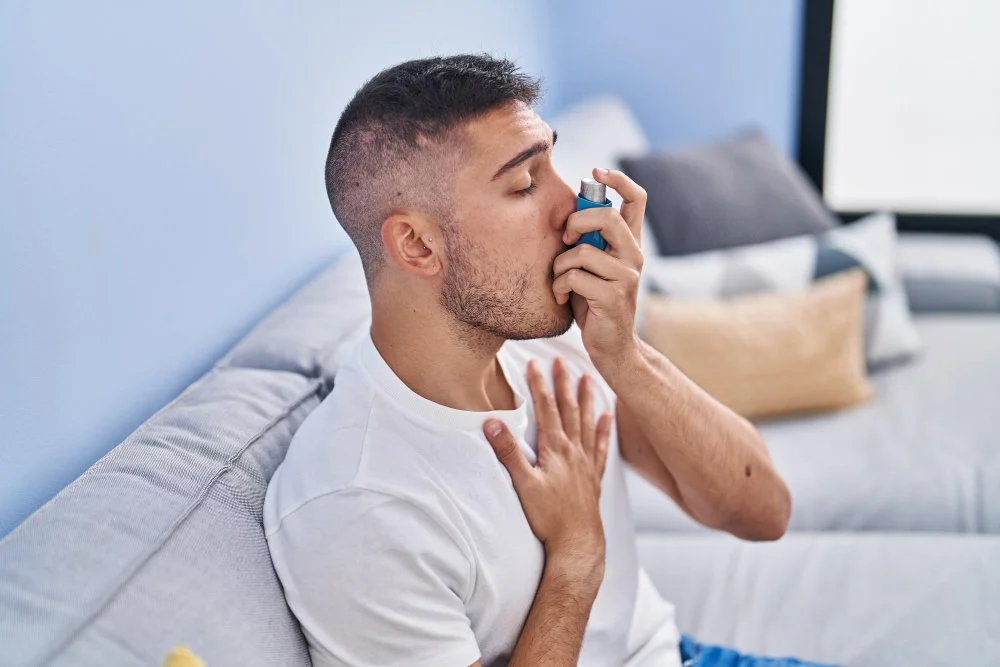
According to a 2026 meta-analysis published in BMC Pulmonary Medicine, the pooled prevalence of COPD among Indian adults is 13%, and among smokers specifically, the rate is a staggering 37%. That means more than 1 in 3 Indian smokers may already have COPD — and most don't know it.
What You'll Learn Here
• What COPD actually is — in words that make sense
• Why does it get worse with every cigarette
• The warning signs that most people ignore for years
• How it's diagnosed and what treatment involves
• What you can do today — whether you still smoke or not
So What Exactly Is COPD?
Your lungs contain millions of tiny air sacs called alveoli. When you breathe in, they expand and fill with oxygen. When you breathe out, they push carbon dioxide out. They're like tiny balloons doing this thousands of times a day.
Smoking — and other irritants like biomass fuel smoke, dust and air pollution — damages these air sacs over time. They lose their elasticity. The airways get inflamed and narrowed. Mucus builds up. Eventually, your lungs can't push air out properly. That's COPD. And unlike a chest infection that gets better, this damage is largely permanent.
According to Lung India, COPD accounts for over 50% of the total chronic respiratory disease burden in India, and causes roughly 64 deaths per 1 lakh population every year. It is the second leading cause of death and disability from non-communicable disease in India.
The Classic Signs That Smokers Often Ignore
The problem with COPD is that it creeps up very slowly. By the time you notice it's really affecting your life, significant damage has already been done. Here are the signs to watch for:
• Getting breathless with activities that never used to wind you — walking up stairs, carrying groceries, walking quickly
• A persistent cough that's been there for months or years, often worse in the morning
• Coughing up mucus or phlegm regularly — sometimes called a 'chesty' cough
• A whistling or wheezing sound when you breathe, especially at night
• Frequent chest infections — more than 2–3 per year
• Feeling constantly low on energy, even when you haven't exerted yourself
If any of these sound familiar and you smoke — or used to — please don't keep dismissing them.
Is It Just Smokers? Not Quite
While smoking is the most well-known cause, it's far from the only one. India has its own unique pattern of COPD. A significant number of Indian women who have never smoked develop COPD from years of cooking over biomass or wood-fire stoves in poorly ventilated kitchens. Previous tuberculosis infection is another major risk factor in India. Long-term exposure to dust, chemicals and vehicle pollution also contributes.
So if you have these symptoms but don't smoke, don't assume you're in the clear.
How Is COPD Diagnosed?
The test is called Spirometry — and it's simpler than it sounds. You breathe into a machine that measures how much air you can breathe out and how fast. It takes about 15 minutes and is painless. This gives a clear picture of how much your lung function has been affected.
Many COPD patients in India are never given a spirometry test because it's not routinely available at every clinic. At JIET Hospital, our Pulmonology specialists can perform this test and interpret it alongside your symptoms and medical history.
Treatment — COPD Can Be Managed Well
Here's the most important thing to know: COPD cannot be reversed, but it absolutely can be managed. The right treatment can significantly slow its progression, reduce the number of severe attacks (called exacerbations), and help you get back to living more normally.
The single most important step if you still smoke is to stop. Quitting smoking slows the progression of COPD more than any medication available. It's never too late — even quitting after a diagnosis makes a meaningful difference.
Inhalers are the main treatment for COPD. Bronchodilators open up the airways, making it easier to breathe. Corticosteroid inhalers reduce inflammation. These are not tablets — they go directly to where they're needed in the lungs, so side effects are minimal. For more advanced stages, pulmonary rehabilitation — a structured programme of breathing exercises and physical activity — can genuinely transform quality of life.
Practical Steps You Can Take Right Now
If you're a current smoker, the single best thing you can do for your lungs is to stop today. Every cigarette from this point onwards accelerates the damage. JIET Hospital can connect you with smoking cessation support.
If you suspect COPD — don't wait. Get a spirometry test. COPD caught in early or moderate stages responds much better to treatment than COPD caught late. The earlier you know, the more you can do.
If you cook with wood or coal, ensure your kitchen has proper ventilation. This simple change significantly reduces the smoke exposure that causes non-smoker COPD.
Why Choose JIET Hospital for Respiratory Care
JIET Hospital & Medical College, Jodhpur, has experienced pulmonologists who understand the specific pattern of respiratory disease in Rajasthan and India. We offer spirometry testing, specialist consultations, and personalised management plans for COPD. Our ICU and Emergency facilities are available 24/7 for acute respiratory episodes. The Rajasthan Government Health Scheme and Ayushman Arogya Yojana cover respiratory care under JIET Hospital.
Frequently Asked Questions
Q.1: I've smoked for 30 years but feel fine. Do I have COPD?
You might. COPD often causes no obvious symptoms until lung function has dropped by 40–50%. Feeling 'fine' doesn't mean the damage isn't happening. A spirometry test takes 15 minutes and gives you real answers.
Q.2: Will quitting smoking help if I already have COPD?
Absolutely. Stopping smoking is the most effective treatment for COPD — more so than any medication. It won't reverse existing damage, but it dramatically slows the rate of decline and reduces the frequency of dangerous flare-ups.
Q.3: Can people who never smoked get COPD?
Yes. In India, cooking smoke from biomass fuels, previous tuberculosis, severe childhood respiratory infections and long-term dust or chemical exposure are all established causes. COPD is not exclusively a smoker's disease.
Q.4: Is an inhaler addictive?
No. COPD inhalers are not addictive. They work locally in the lungs to open airways or reduce inflammation. Used as prescribed, they're very safe and are one of the most effective tools for managing COPD.
Q5: How do I know if my breathlessness is COPD or something else?
Breathlessness can have many causes — heart disease, anaemia, asthma and anxiety among them. A spirometry test, along with a proper clinical assessment can distinguish COPD from other conditions. Don't guess — get tested.
Final Thoughts
COPD doesn't announce itself loudly. It whispers a cough here, a little breathlessness there — until one day you can't do the things you used to love. The time to act is now, before it gets to that point.
If you or someone you love is experiencing any of these symptoms, especially if they smoke or used to smoke — book a respiratory consultation at JIET Hospital, Jodhpur today.
Medical Disclaimer: यह ब्लॉग केवल सामान्य जानकारी के लिए है। किसी भी मेडिकल निर्णय के लिए योग्य चिकित्सक से परामर्श लें।


