
Early Warning Signs of Heart Disease You Should Know
Heart disease is one of the leading causes of death worldwide, but the good news is that it can often be prevented or treated if caught early. Recognizing early warning signs of heart disease can help save lives. Whether you're concerned about your own health or that of a loved one, understanding the clinical signs of heart disease is key to getting the right treatment in time.
In this article, we will explore the clinical signs of heart failure, common symptoms, and the differences between left vs right sided heart failure symptoms, as well as other heart disease warning signs you should not ignore.
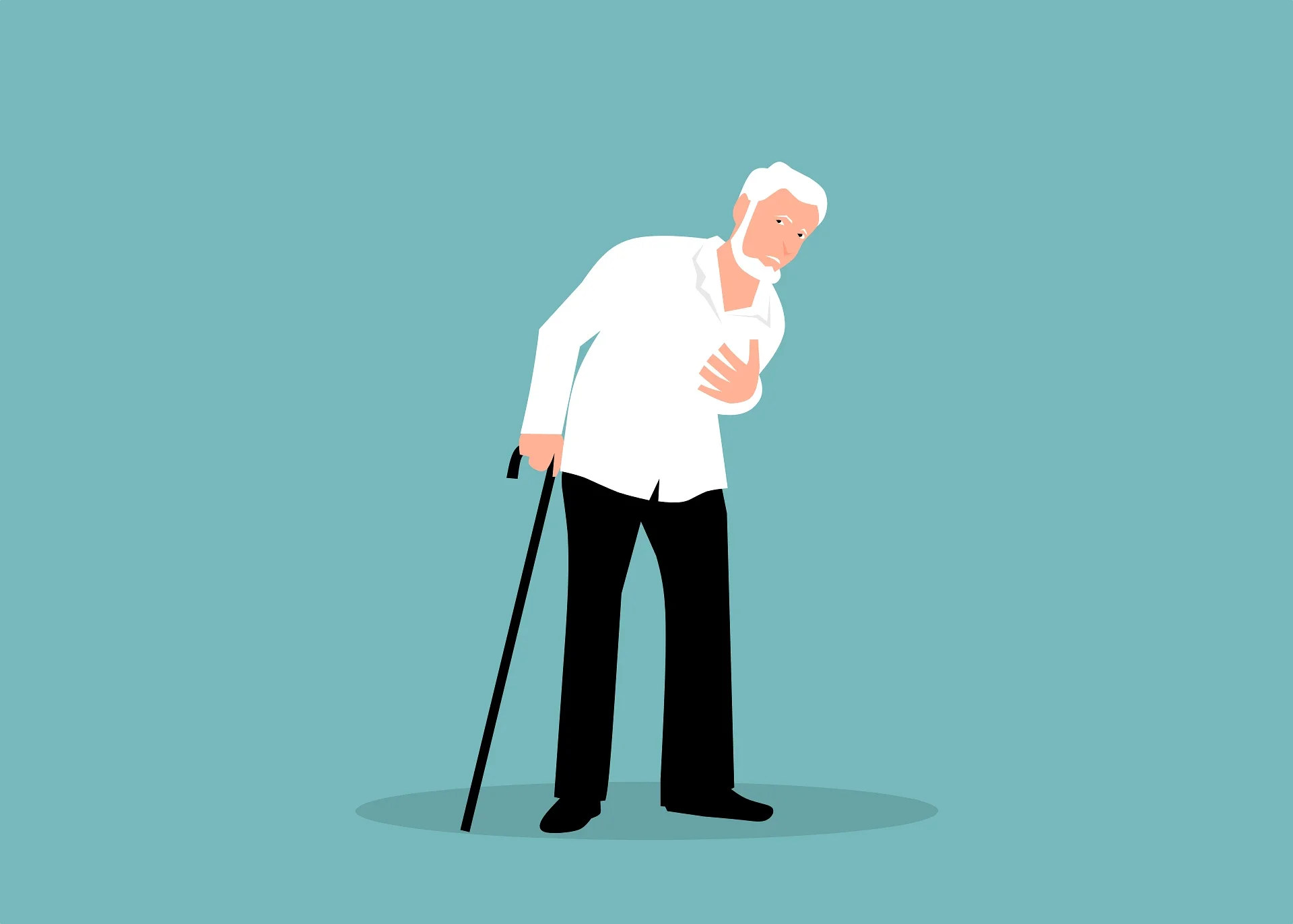
This image shows an elderly man experiencing chest pain, a common early sign of heart attack and heart disease symptoms. It highlights the importance of recognizing heart attack warning signs, chest discomfort, and seeking early cardiac care to prevent serious complications.
What is Heart Disease?
Heart disease refers to a range of conditions that affect the heart, including myocardial infarction, congestive heart failure (CHF), and infective endocarditis. It can affect the heart's structure, function, and blood flow, leading to severe complications if left untreated.
Early Warning Signs of Heart Disease
Understanding clinical manifestations of heart disease is crucial. The earlier heart disease is detected, the sooner treatment can begin, improving outcomes significantly.
Common Symptoms of Heart Disease:
Chest Pain: A sharp or heavy pain in the chest could be a warning sign of myocardial infarction (heart attack).
Shortness of Breath: This could indicate heart failure clinical manifestations, especially when combined with other symptoms.
Fatigue: Unusual tiredness that doesn’t improve with rest may signal clinical features of congestive heart failure (CHF).
Swelling in Legs or Abdomen: Swelling is a common clinical sign of right heart failure and can also be a sign of fluid retention in heart failure.
Irregular Heartbeat: Known as arrhythmia, an irregular heartbeat could be a sign of heart failure clinical signs.
Left vs Right Sided Heart Failure Symptoms
Understanding the difference between left vs right sided heart failure symptoms is important for recognizing heart failure early.
Left-sided heart failure symptoms typically include shortness of breath, especially when lying down, and fatigue.
Right-sided heart failure symptoms often lead to swelling in the legs, ankles, and abdomen, along with weight gain.
Understanding left heart failure vs right heart failure symptoms can help doctors diagnose the type of heart failure a patient is experiencing.
Clinical Features of Heart Failure
Clinical features of heart failure vary depending on which side of the heart is affected. Heart failure occurs when the heart is unable to pump blood effectively, leading to a buildup of fluids in the body. The clinical manifestations of congestive heart failure often include difficulty breathing, swelling in various parts of the body, and excessive fatigue.
CHF Clinical Manifestations:
Fluid retention
Shortness of breath
Rapid or irregular heartbeat
Coughing or wheezing
These signs should never be ignored, as they can worsen quickly if not treated.
Diagnosis and Treatment of Heart Disease
When you suspect you may have heart disease, it is important to visit a healthcare provider immediately. How is heart disease diagnosed? Typically, doctors will conduct blood tests, an ECG (electrocardiogram), an echocardiogram, or other tests to determine the extent of heart damage.
Treatment Options:
Medication: To manage symptoms and prevent heart disease progression.
Lifestyle Changes: Such as improving diet, quitting smoking, and exercising regularly.
Surgery: In severe cases, procedures such as mitral stenosis clinical features treatment or heart valve surgery may be required.
Clinical Manifestations of Heart Attack (Myocardial Infarction)
One of the most serious types of heart disease is myocardial infarction, commonly known as a heart attack. Clinical features of myocardial infarction include chest pain, dizziness, sweating, and pain radiating down the left arm.
Symptoms of a Heart Attack:
Severe chest pain or discomfort
Difficulty breathing
Cold sweat
Pain in the back, neck, jaw, or stomach
Prompt medical attention is essential for clinical manifestation of myocardial infarction to reduce the risk of serious complications.
Clinical Signs of Right Heart Failure
Right heart failure occurs when the right side of the heart is unable to pump blood effectively, leading to fluid buildup in the body. Clinical signs of right heart failure may include:
Swelling in the legs and feet
Abdominal bloating or discomfort
Decreased appetite
Shortness of breath
Understanding clinical signs of CHF can help identify the problem before it becomes severe.
Heart Disease Treatment at JIET Hospital
At JIET Hospital, we specialize in the diagnosis, prevention, and treatment of heart disease. Our expert cardiologists use the latest technology to provide comprehensive care tailored to your needs.
Contact us today for a heart health consultation and take the first step toward a healthier heart.
FAQs: People Also Ask
What are the clinical signs of heart failure?
Common clinical signs of heart failure include shortness of breath, fatigue, swelling in the legs, and difficulty lying flat.
What is the difference between left-sided and right-sided heart failure?
Left-sided heart failure typically causes fluid buildup in the lungs, while right-sided heart failure leads to swelling in the legs and abdomen.
How do I know if I have a heart attack or just heartburn?
A heart attack causes sharp chest pain, often radiating to the arm or jaw, while heartburn is a burning sensation that usually happens after eating.
When should I seek treatment for heart disease symptoms?
You should seek immediate medical attention if you experience chest pain, shortness of breath, or unexplained fatigue, especially if the symptoms persist or worsen.
Can heart disease be prevented?
Heart disease can often be prevented by maintaining a healthy lifestyle, controlling blood pressure and cholesterol, and avoiding smoking and excessive alcohol consumption.
Final Thoughts
Recognizing the early warning signs of heart disease is crucial for timely treatment. If you notice any symptoms like chest pain, shortness of breath, or swelling, it is important to consult with a healthcare provider immediately. Early diagnosis and treatment can improve the quality of life and prevent severe complications.


