
What Is an Orthopedic Injury? Symptoms and Treatment
Anyone can have an orthopedic injury, whether it's from a sudden fall, a sports accident, or long-term stress on the joints and spine. A lot of people don't pay attention to early signs and think the discomfort will go away on its own. But if you don't get treatment for orthopedic problems, they can get worse over time and make it more harder to move around and enjoy life.
This article explains what an orthopedic injury is, what the most frequent symptoms are, what treatment options are available, and when you should go to an orthopedic and sports injury clinic for specialist care.
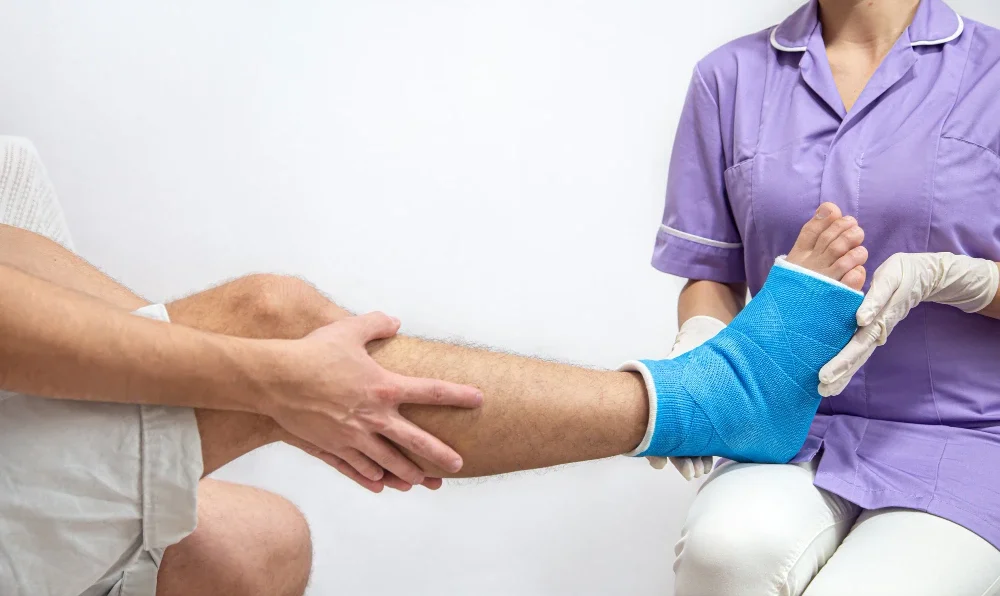
This image shows a leg orthopedic injury, where the patient is receiving a cast and medical care after a fracture or serious injury. Timely treatment helps the bones heal properly and supports faster recovery.
What does "orthopedic injury" really mean?
An orthopedic injury is damage or trauma to the bones, joints, muscles, ligaments, tendons, or spine. Acute orthopedic injuries happen quickly, but chronic orthopedic injuries happen over time because of things like bad posture, repetitive stress, or getting older.
In short, if an injury makes it hard for you to move, stand, bend, or lift, it probably falls under the category of orthopedic ailments.
What is an orthopedic injury?
A lot of individuals want to know, "What is an orthopedic injury?" These injuries might be moderate or serious and include:
Cracks and breaks in bones
Dislocations of joints
Tears in ligaments, such ACL injuries in orthopedic cases
Muscle strains and sprains
Pain in the spine and pressure on the nerves
Conditions that cause joints to break down
You might need to go to a spine pain and orthopedic injury center if you have back or neck pain that won't go away.
Here are some examples of orthopedic injuries you should know about.
Knowing examples of orthopedic injuries helps you find them early and get treatment right away. Injuries that happen a lot in orthopedics:
Fractures: When bones break because of a fall or an accident
Cases of ACL injuries in sports that require quick turns are common.
Sprains and strains are when ligaments or muscles are stretched too far.
Dislocations: Joints that are out of place
Injuries to the spine include a slipped disc, nerve compression, and long-term back discomfort.
These orthopedic issues could make it hard to walk around every day, therefore you should never disregard them.
Acute Orthopedic Injury vs. Chronic Orthopedic Injury
Acute Orthopedic Injury
An acute orthopedic injury strikes quickly and causes pain, edema, or limited movement right away.
Some examples are:
Accidents on the road
Injuries from sports
Falls that happen suddenly
Chronic Orthopaedic Injuries
These grow slowly because of:
Bad posture
Stress from doing the same thing over and again
Conditions that get worse over time
A professional evaluation at an advanced orthopedic and sports injury facility is needed for both types to get an accurate diagnosis.
What is the difference between orthopedic and sports injuries?
Cases of orthopedic and sports injuries are very similar, although they are not exactly the same:
People who play sports or are active are the most likely to get sports injuries.
People of all ages can get general orthopedic injuries.
A specialized orthopedic and sports injury clinic takes care of both types of injuries. They offer rehabilitation, physiotherapy, and surgery when necessary. The royal orthopedic hospital and sports injury center are two examples of institutions that set global standards for comprehensive orthopedic care. This shows how important it is to have expert care.
Symptoms of an Orthopedic Injury
Be on the lookout for these signs:
Pain in your joints or bones that won't go away
Redness, swelling, or stiffness
Not much movement
Tingling or numbness
Pain getting worse when you move
Deformity that might be seen after an injury
If your symptoms last more than a few days, see an orthopedic specialist very once.
Orthopedic Injury Treatment Options
How bad the injury is, what kind it is, and how healthy the patient is will all affect how they are treated.
Non-Surgical Treatment
Rest and changing your activities
Pain medicine
Rehabilitation and physiotherapy
Bracing or casting
Surgery
Necessary in severe instances such as:
Fractures that are hard to fix
Tearing of the ACL ligament
Instability of the spine
Replacing a joint
Advanced centers like JIET Hospital offer care that meets the same high standards as the best orthopedic hospitals in the world
When Should You Visit an Orthopedic Specialist?
If you have any of the following, get medical help right away:
Not being able to move a limb
A lot of discomfort or swelling
Suspected damage to the spine
Loss of feeling or strength
Injury after a big accident
Early diagnosis stops problems and disabilities from happening in the long term.
Last Thoughts
An orthopedic injury, no matter how small or big, needs to be looked at right away. Ignoring symptoms might cause long-term impairment, persistent discomfort, and less mobility. Getting a diagnosis early, getting the right treatment, and going through rehabilitation are all important for successful recovery.
Expert Orthopedic Care at JIET Hospital
JIET Hospital offers full care for sports injuries, orthopedic injuries, and spine problems with:
Orthopedic surgeons with a lot of experience
Advanced tests like X-rays, MRIs, and CT scans
Modern operating rooms
Help with physiotherapy and rehabilitation
Emergency services are available 24 hours a day, seven days a week.
Make an appointment for an orthopedic consultation at JIET Hospital today.
Your movement, mobility, and quality of life are important. Get expert care when you need it most.
FAQs: People Also Ask
What kind of orthopedic injury happens the most?
The most common orthopedic injuries in the world are broken bones from falls and car accidents.
What is an orthopedic problem?
An orthopedic issue is any condition with the bones, joints, muscles, ligaments, or spine.
What are the ten most prevalent types of injuries?
Fractures, sprains, strains, ACL tears, dislocations, back pain, neck pain, tendon injuries, meniscus tears, and shoulder problems.
What are the most prevalent problems with bones and joints?
The most prevalent types of orthopedic injuries are back pain, knee pain, arthritis, sports injuries, and work-related injuries.
Can orthopedic injuries get well on their own?
If addressed early, many orthopedic injuries can heal with rest, medicine, and physical therapy.
Are injuries to the spine bad?
Yes. Injuries to the spine and bones can hurt nerves, so they should be treated in a center that specializes in spine pain and orthopedic injuries.


