
ICU Care: What Happens Inside an ICU? A Simple Explanation
Introduction
Hearing that a loved one needs ICU care can be overwhelming. For many families, the term “ICU” immediately brings fear and uncertainty. What happens inside an intensive care unit? Why are patients shifted there? Is it always life-threatening?
An intensive care unit (ICU) is a specialized hospital department designed to provide constant monitoring and advanced treatment to critically ill patients. According to the World Health Organization (WHO), timely access to quality critical care significantly reduces mortality from severe infections, trauma, heart attacks, and respiratory failure.
In this guide, we’ll explain ICU care in simple language. You’ll understand who needs it, what equipment is used, how doctors manage critical conditions, and how a trusted critical care hospital in Jodhpur ensures patient safety and recovery.
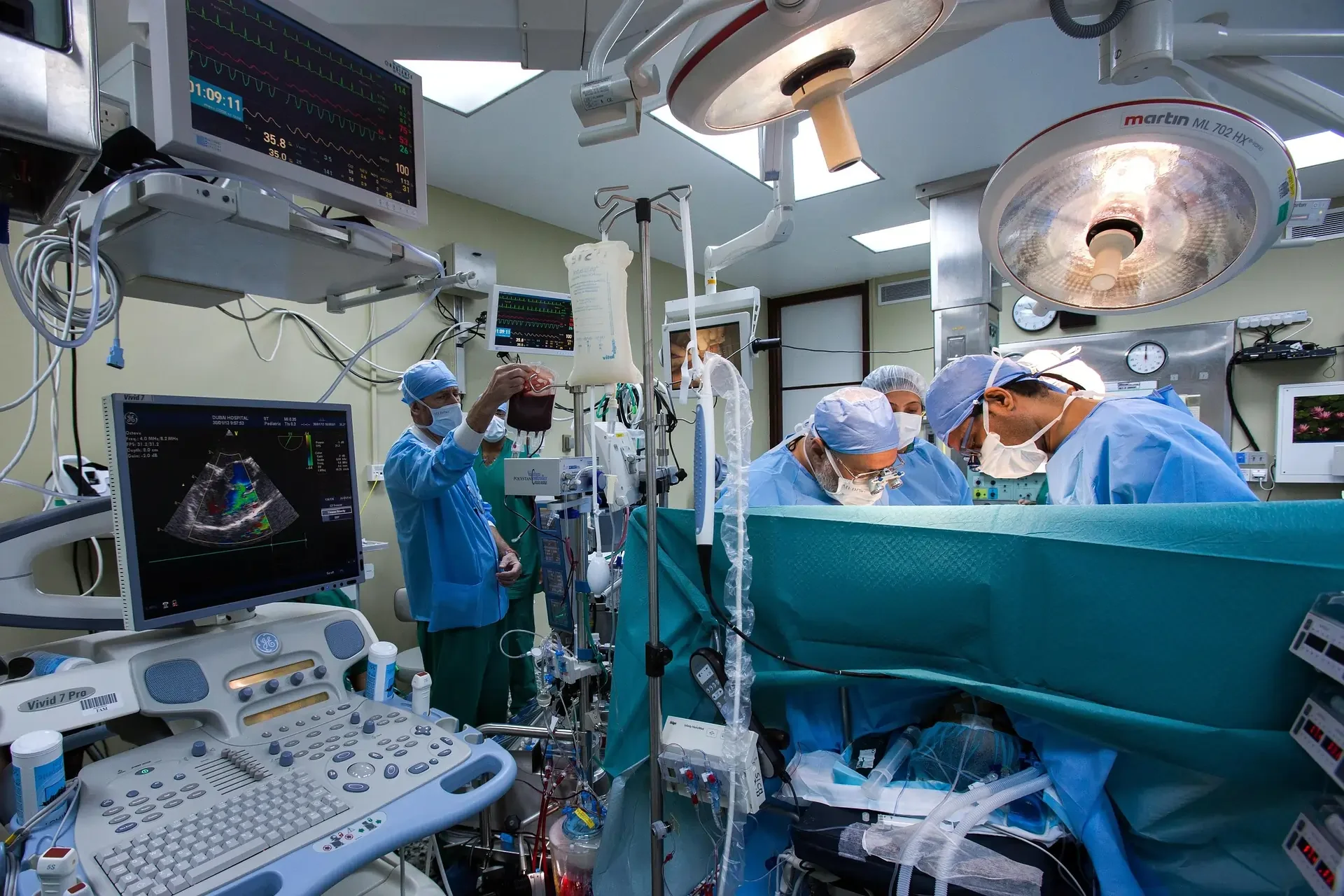
The image shows a highly advanced hospital setup where doctors and nurses are providing critical ICU care to a patient using continuous monitoring and life-support systems. It reflects a well-coordinated hospital emergency process within the emergency department, ensuring timely emergency treatment, specialized trauma care, and reliable 24x7 emergency services.
Understanding ICU Care
ICU care refers to specialized medical treatment provided to patients whose condition is serious or life-threatening. Think of the ICU as a “high-alert” zone inside a hospital. Every second matters, and trained doctors and nurses monitor patients continuously.
Inside an intensive care unit, you’ll typically see:
Cardiac monitors tracking heart rate and rhythm
Ventilators supporting breathing
Infusion pumps delivering medications precisely
Oxygen support systems
Advanced life-support equipment
Unlike general wards, ICU staff maintain a low nurse-to-patient ratio, ensuring round-the-clock supervision.
Patients are admitted to ICU care for conditions such as:
Severe pneumonia or respiratory failure
Heart attack or cardiac arrest
Stroke
Major trauma or accident injuries
Post-surgical monitoring after complex procedures
Sepsis or severe infection
According to the Centers for Disease Control and Prevention (CDC), early intensive care intervention significantly improves survival rates in severe infections and cardiac emergencies.
Causes & Risk Factors for ICU Admission
Certain health conditions increase the likelihood of requiring ICU care.
Common Causes:
Advanced heart disease
Uncontrolled diabetes
Severe lung infections
Major accidents
Organ failure
Complicated surgeries
High-Risk Groups:
Senior citizens above 60
Patients with chronic illnesses
Smokers
Immunocompromised individuals
Pregnant women with complications
WHO data shows cardiovascular diseases remain the leading cause of global deaths, accounting for nearly 20 million deaths annually. Many of these cases require critical care support during emergency phases.
Symptoms & Warning Signs
Recognizing early warning signs can help families seek timely ICU care.
Early Warning Signs:
Persistent chest pain
Severe breathlessness
Sudden confusion
Very high or very low blood pressure
Uncontrolled bleeding
Advanced Warning Signs:
Loss of consciousness
Blue lips or fingertips
Cardiac arrest
Severe trauma with heavy blood loss
Multiple organ failure
If any of these symptoms appear, immediate emergency care is essential.
Diagnosis & Tests Inside an ICU
ICU care involves advanced diagnostic support.
Doctors may conduct:
Continuous ECG monitoring
Arterial blood gas analysis
CT scans or MRI
Ultrasound imaging
Blood investigations
Ventilator assessment
Modern critical care hospitals use real-time monitoring systems that alert medical staff instantly if vitals change.
Families often worry about the equipment. It’s important to know that machines like ventilators are supportive tools, helping the body recover while doctors treat the root cause.
Treatment Options Available
Treatment in an intensive care unit depends on the patient’s condition.
Conservative Management:
Oxygen therapy
IV fluids
Pain control
Close monitoring
Medical Management:
Antibiotics for infection
Blood thinners
Heart medications
Insulin therapy
Advanced & Surgical Interventions:
Emergency angioplasty
Dialysis for kidney failure
Mechanical ventilation
Surgical procedures if required
Recovery Timeline
Recovery varies widely. Some patients need ICU care for 24–48 hours, while others may require longer monitoring. Early intervention improves outcomes significantly.
Prevention Tips & Lifestyle Advice
While ICU care is essential during emergencies, many critical conditions are preventable.
Follow these evidence-based recommendations:
Control blood pressure regularly
Manage blood sugar levels
Maintain healthy cholesterol levels
Exercise 30 minutes daily
Avoid tobacco and excessive alcohol
Attend routine health checkups
Follow prescribed medications consistently
According to the National Institutes of Health (NIH), lifestyle modification significantly reduces the risk of heart disease and stroke, two leading causes of ICU admissions.
Why Choose JIET Hospital for ICU Care?
Choosing the right critical care hospital in Jodhpur makes a difference during emergencies.
At JIET Hospital, patients benefit from:
24×7 emergency and ICU services
Highly trained critical care specialists
Advanced ventilator support systems
Modern cardiac monitoring equipment
Dedicated infection control protocols
Compassionate, patient-centric approach
Unlike many large hospital blogs that focus only on technology, JIET Hospital emphasizes family communication, transparency, and emotional support during critical situations.
Accessibility within Jodhpur ensures timely transfer and rapid intervention.
FAQs
Q1: Is ICU care always life-threatening?
Not always. ICU care is provided for close monitoring and advanced support. Many patients recover fully.
Q2: How long can a patient stay in an intensive care unit?
It depends on the condition. Some stays last 1–2 days, while others may extend longer.
Q3: Can family members visit ICU patients?
Most hospitals allow limited visiting hours to maintain infection control and patient stability.
Q4: What is the difference between ICU and general ward?
ICU offers continuous monitoring and life-support equipment, while general wards provide routine care.
Q5: Is ventilator support permanent?
In most cases, ventilators are temporary and removed once breathing improves.
Q6: How do I know if my loved one needs ICU care?
Severe breathing difficulty, unconsciousness, or cardiac symptoms require emergency evaluation.
Conclusion
Facing a critical illness is stressful, but timely ICU care saves lives. An intensive care unit is not just about machines, it’s about skilled doctors, trained nurses, and constant monitoring working together to stabilize and heal.
If you or your loved one requires advanced medical attention, trust JIET Hospital for reliable, compassionate critical care.
Book an emergency consultation or contact our 24×7 helpline today. Early action can make all the difference.


