
Emergency Medical Care: How Hospitals Handle Medical Emergencies
Introduction
Medical emergencies can happen at any time. A sudden chest pain, a car accident, trouble breathing, or an unconscious loved one can make people panic in a matter of seconds. In those situations, getting emergency medical help quickly can mean the difference between life and death.
In a busy city like Jodhpur, where traffic jams and lifestyle diseases are common, it's important to be able to get to well-organized hospital emergency services quickly. The World Health Organization (WHO) says that quick emergency response and early intervention can cut the death rate from trauma and heart events by 25–40%.
But what really happens when a person gets to the emergency room? How does the emergency room at the hospital work behind the scenes?
This guide will show you how hospitals deal with medical emergencies, what happens from the time you arrive until you are stable, and how JIET Hospital makes sure that emergency care is quick, organized, and caring.
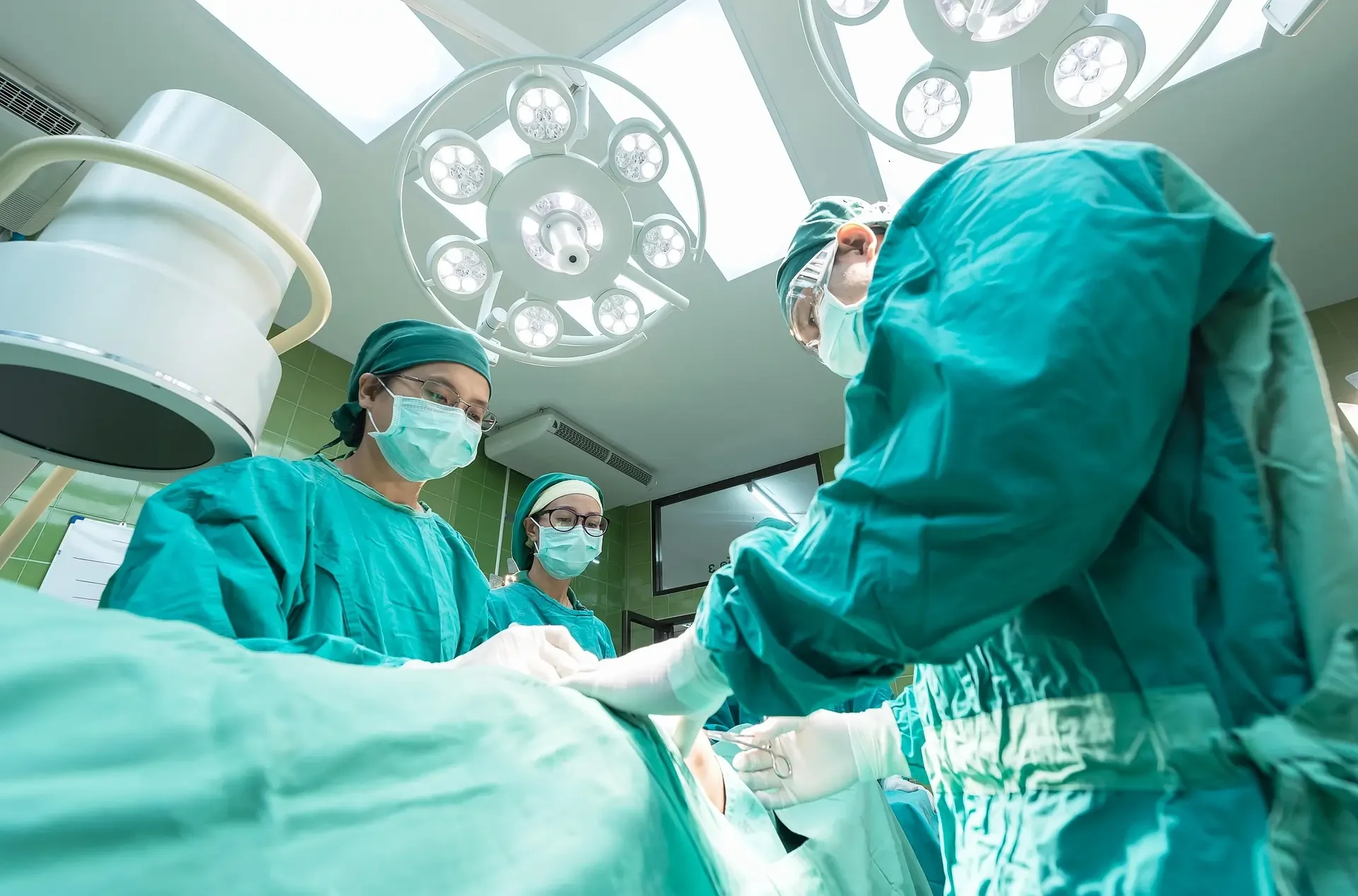
The image shows a team of surgeons performing a critical procedure in an operation theatre, representing the importance of emergency medical care in life-threatening situations. It highlights the coordinated hospital emergency process within the emergency department, ensuring timely emergency treatment, advanced trauma care, and reliable 24x7 emergency services.
This Guide Will Teach You the Following:
What emergency medical care is all about
How the emergency room works at the hospital
Signs that something is wrong and needs to be fixed right away
Tests and procedures that are done in emergency rooms
Ways to treat serious conditions
Why it's important to choose the right hospital
Knowing about emergency medical care
Emergency medical care is the immediate treatment of sudden, serious illnesses or injuries that need immediate attention.
The emergency room is like a "rapid response zone." Every action is planned, has a deadline, and follows clinical guidelines.
Understanding Emergency Medical Care
Triage Assessment: Patients are quickly checked out based on how bad their condition is.
Primary stabilization: checking the airway, breathing, and circulation.
Emergency Diagnosis: Quick tests are done.
Immediate Treatment: Medicines or procedures are started right away.
Admission or Discharge Decision – Based on patient stability.
Advanced Cardiac Life Support (ACLS) and Advanced Trauma Life Support (ATLS) are two examples of emergency protocols that hospitals around the world use.
Causes & Risk Factors for Medical Emergencies
Many things can cause emergencies.
Common Causes:
Heart attacks and strokes
Accidents on the road
Asthma attacks that are very bad
Diabetes that isn't under control
Seizures
Very bad allergic reactions
Toxicosis
The CDC says that cardiovascular diseases are still one of the main reasons people go to the emergency room around the world. In India, more people with high blood pressure and diabetes make emergencies much more likely.
High-Risk Groups:
Older people
People who are sick all the time
Women who are pregnant and have problems
People who have had heart problems before
People who have been hurt
The National Institutes of Health (NIH) says that early emergency care greatly increases the chances of survival in cases of cardiac arrest.
Signs and Symptoms
Early recognition of symptoms can save lives.
Signs of Trouble Ahead:
Sudden pain in the chest
Bad headache
Can't breathe
A high fever that makes you confused
Bleeding that won't stop
Throwing up a lot
Advanced Warning Signs:
Not being aware of what is going on
Seizures
Lips or fingertips that are blue
Very serious trauma injuries
Sudden loss of movement
If you notice any of these signs, get medical help right away. Putting off treatment can make things worse.
Tests and Diagnosis in Emergency Situations
As soon as the patient gets to the hospital, a quick diagnostic evaluation starts.
Some common tests done in an emergency are:
Electrocardiogram (ECG)
Tests on blood
CT scan or MRI
Imaging with ultrasound
X-rays
Monitoring oxygen saturation
Digital monitoring systems are used in modern emergency rooms to let doctors know right away if vital signs change.
The goal is to make a quick diagnosis without causing any delays. Most initial investigations are done in a matter of minutes to help doctors decide how to treat a patient.
Choices for Treatment Accessible
The type of emergency treatment needed depends on the situation.
Conservative Treatment:
Oxygen treatment
IV fluids
Pain relief
Keeping an eye on
Medical Care:
Drugs that break up blood clots for stroke
Keeping blood pressure in check
Insulin treatment
Antibiotics
Advanced and Surgical Procedures:
Angioplasty in an emergency
Surgery for trauma
Help with a ventilator
Dialysis
The recovery timeline
The severity of the injury affects recovery. Some patients get better in a few hours, while others may need to be watched in the ICU. Getting emergency care right away greatly increases the chances of survival and lowers the risk of complications.
Why Should You Go to JIET Hospital for Emergency Medical Care?
Trust and speed are important in emergencies. The JIET Hospital in Jodhpur has:
Emergency department open 24 hours a day, seven days a week
Quick triage system
Doctors who have worked in emergency rooms for a long time
Advanced support for heart problems and trauma
Diagnostics on site
Facilities for smooth ICU transfers
Communication that focuses on the patient
JIET Hospital is different from other hospital blogs that only talk about technology. It focuses on working together, keeping an eye on things in real time, and being there for families.
Tips For Staying Healthy and Avoiding Problems
You can't always stop emergencies from happening, but you can lower the number of them by living a healthy life.
Do these things to avoid problems:
Keep an eye on your blood sugar and blood pressure.
Keep working out regularly
Don't smoke or drink too much.
Put on seat belts and helmets.
Keep important phone numbers saved
Get regular checkups for your health
The World Health Organization says that making changes to your lifestyle and getting preventive care can greatly lower the number of emergency room visits for heart disease.
Questions and Answers
Q1: What is a medical emergency?
If you suddenly get sick or hurt and it threatens your life or causes you a lot of pain, you need emergency medical care.
Q2: What does "triage" mean in the emergency room of a hospital?
Triage is a quick way to figure out which patients need the most help based on how bad their condition is.
Q3: How quickly does emergency care start?
Most of the time, treatment starts right after triage, usually within a few minutes.
Q4: Can emergency rooms take care of heart attacks?
Yes, emergency teams know how to handle heart attacks and start life-saving procedures right away.
Q5: Do I need to make an appointment for emergency care?
You don't need an appointment. Emergency services are open all the time.
Q6: What should I bring with me when I have to go to the hospital?
If you can, bring your medical history, a list of your medications, and your ID.
Conclusion
Medical emergencies are stressful, but getting medical help quickly can save lives. Hospitals use a structured, evidence-based method to quickly assess, diagnose, and treat serious conditions.
Don't wait if you or a loved one has sudden symptoms. You can connect with JIET Hospital for fast, dependable, and caring emergency care.
Call our 24/7 helpline or make an appointment for an emergency consultation right away. Taking quick action can make a big difference.


