
Knee Pain While Walking: Common Causes, Treatment and Warning Signs
When a long walk leads to pain in every stride, this simple method of fitness may feel impossible. The reality is that, although knees on the walking path often suffer from wear and tear, that ache isn’t necessarily the result of a long run or many years of sport. It can stem from arthritis, injury sustained ages ago, tearing of a ligament or the meniscus, tendon strains or swelling, as well as overuse.
Often a remedy can be found when the cause is identified and treated at the appropriate time.
But as the required medical treatment varies according to where, when, and why the pain began, plus the presence of swelling or a sense of instability, it’s best to consult with a professional to sort out the pain in your knee for good.
Why Does My Knee Hurt When I Walk?
There are many parts of the body that the knee must support to permit you to bend and straighten your leg and then to rotate it. Each section of your knee has bones, tissue like ligaments and tendons, and even cartilage, which helps facilitate the motion of your leg through the many paths of walking. Any issue that comes up with any part of the knee can give you this experience.
For some, this pain will come out if you have walked to such an extent that the damage may now be causing you pain due to how far out.
The other form you see of knee pain when it comes to walking and getting up from a sit, and then you may just be one of those few and find relief once you.
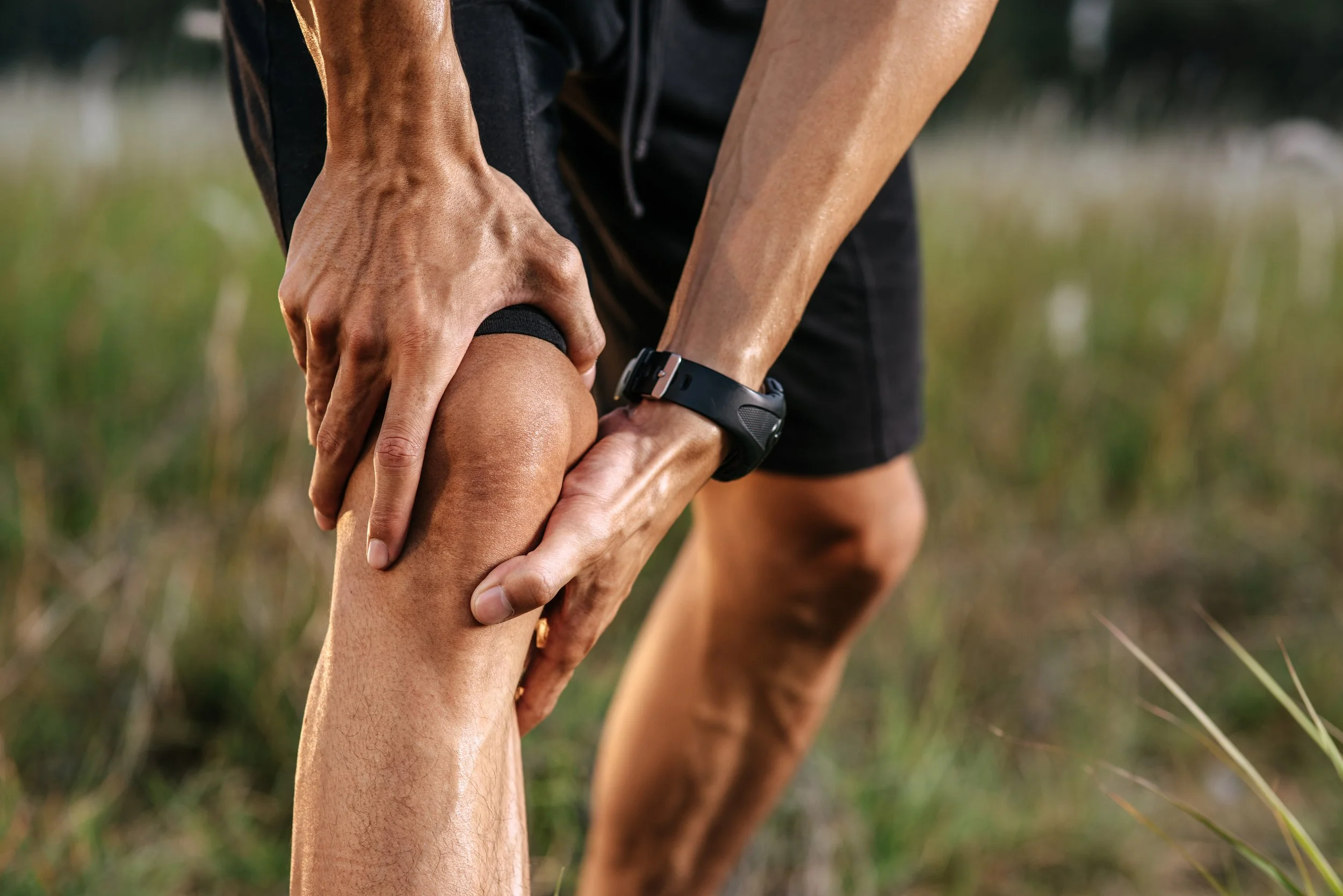
JIET Medical College and Hospital (JMCH), Jodhpur provides specialized care for patients with knee pain, arthritis, injuries, and other joint problems. The hospital's Orthopaedics and Trauma Department offers diagnosis and treatment for various knee conditions. Patients can also access diagnostic facilities such as X-ray, CT and MRI when required. For persistent knee pain or difficulty walking, consulting an orthopedic specialist can help identify the right treatment.
Common Causes of Knee Pain While Walking
1. Knee Osteoarthritis
Osteoarthritis is one of the most common reasons for persistent knee pain, particularly with increasing age. It develops as the tissues within the joint gradually change and cartilage becomes damaged.
Typical symptoms include:
Pain that becomes worse with walking or climbing stairs
Knee stiffness
Mild swelling
Tenderness around the joint
Reduced range of movement
Grinding or creaking sensations
Difficulty walking longer distances
Knee osteoarthritis can be particularly noticeable when walking uphill, downhill, or on stairs.
Risk factors can include age, excess weight, previous knee injury, and genetic factors. Having these risk factors does not mean you will definitely develop arthritis, but they can increase the likelihood.
2. Previous Knee Injury
A previous sports injury, fall, twist, or accident can continue to affect the knee long after the initial pain has disappeared.
Injuries involving the ACL, other ligaments, meniscus, or cartilage may lead to pain, swelling, instability, or difficulty putting weight on the affected leg.
If your knee began hurting after a sudden twisting movement or injury, particularly if you heard a popping sound or developed rapid swelling, an orthopedic assessment is important.
3. Patellofemoral Pain Syndrome
These problems can cause pain in the front or back of your kneecap when the kneecap isn’t tracking correctly during exercise. Often associated with activities that cause a lot of loading of the knee, such as running, squatting, going up and down stairs, or doing too much too quickly with your training. It may also hurt more after sitting for a long period and going up and down stairs.
4. Tendon Problems
The body’s muscles attach to bones via tendons. The action you do over and over again may be irritating your tendons. It is most likely a tendinous injury if you do a lot of jumping, run frequently, or play sports that involve a sudden burst of activity.
Typically, the ache will focus around the bottom of the patella.
Typically, it becomes worse when you walk, run, or climb up the stairs. Many instances of tendinous knee ache are brought about by frequent bouts of working or leaping.
5. Bursitis
Small fluid-filled sacs called bursae help reduce friction around joints. When one becomes inflamed, the knee may become painful, swollen, or tender.
Kneeling or repeated bending can make bursitis symptoms worse. A warm, swollen knee may also require medical assessment because infection and other inflammatory conditions can produce similar symptoms.
6. Gout and Other Inflammatory Conditions
Severe and abrupt pain at the knee can occur due to gout or another inflammatory condition, but it may be accompanied by swelling, heat, and redness. An inflammatory condition can affect both sides of the knee, and the condition is called rheumatoid arthritis. A hot and swollen joint accompanied by fever or general unwellness warrants urgent medical attention as it may reflect a joint infection.
What Does Knee Pain While Walking Feel Like?
The location and pattern of your pain can provide clues:
Pain patternPossible causes
Pain with walking and stiffness Osteoarthritis
Pain after twisting or falling Ligament or meniscus injury
Pain around the kneecap Patellofemoral pain
Pain below the kneecap Tendon irritation
Sudden severe pain with redness/swelling Gout or infection
Pain with instability or “giving way” Ligament or structural problem
This table is only a guide. Several knee conditions can produce similar symptoms, so self-diagnosis is not recommended.
How Is Knee Pain Diagnosed?
An orthopedic specialist in Jodhpur will usually begin by asking about your symptoms, activity level, previous injuries, medical history, and exactly when the pain occurs.The knee may then be examined for:
Swelling
Tenderness
Range of motion
Joint stability
Muscle strength
Alignment
Walking pattern
Depending on the suspected problem, your doctor may recommend an X-ray, MRI, CT scan, or other investigations. X-rays can help identify fractures, changes in joint space, bone spurs, and alignment problems, while MRI can provide more detailed information about soft tissues such as ligaments and cartilage.
JIET Hospital’s Orthopaedics and Trauma Department provides X-ray, CT, and MRI facilities as part of its orthopedic diagnostic services.
Treatment for Knee Pain While Walking
Treatment depends on the underlying cause and how severely the knee is affected.
Rest and Activity Modification
If your pain follows increased activity or a minor injury, temporarily reducing activities that aggravate the knee may help. This does not necessarily mean complete inactivity. Once symptoms settle, gradual return to movement is generally preferable to prolonged immobilization.
For acute knee pain and swelling, applying a wrapped ice pack for up to 20 minutes at a time may provide temporary relief.
Physiotherapy and Exercise
Exercise is an important part of managing many chronic knee conditions. Strengthening the muscles around the knee can improve support and function, while appropriate flexibility and mobility exercises can help maintain movement.
For osteoarthritis, regular exercise and muscle-strengthening activities are among the key approaches recommended for symptom management.
A physiotherapist can create an exercise programme based on your condition rather than recommending a one-size-fits-all routine.
Weight Management
If you are overweight, even modest weight reduction can reduce stress placed on weight-bearing joints. Weight management is commonly included in conservative treatment plans for knee osteoarthritis.
Medicines
Doctors may recommend pain-relieving or anti-inflammatory medicines when appropriate. However, these medicines are not suitable for everyone and can have side effects or interact with other medications.
It is better to ask a doctor or pharmacist which option is appropriate rather than taking painkillers regularly without guidance.
Injections or Surgery
For selected patients, doctors may consider injections or other interventions when conservative treatment does not provide sufficient relief.
If severe joint damage causes persistent pain and significant difficulty with daily activities, knee replacement surgery may be considered. JIET Hospital’s Orthopaedics and Trauma Department lists total knee replacement (TKR), revision TKR, and arthroscopy among its orthopedic procedures.
Read JIET Hospital’s related guide on orthopedic pain relief and joint replacement for more information about treatment options for chronic joint pain.
Warning Signs: When Should You See a Doctor?
Not every episode of knee pain requires emergency treatment, but certain symptoms should not be ignored.
Seek urgent medical attention if:
You cannot put weight on your leg
The knee is severely painful or suddenly becomes very swollen
The knee has changed shape after an injury
The knee locks and cannot move normally
The joint repeatedly gives way
The knee becomes hot, red, and swollen
You develop fever or chills along with knee symptoms
You experience numbness or loss of sensation after an injury
These symptoms can indicate a significant injury, joint infection, fracture, dislocation, or another condition requiring prompt evaluation.
For persistent but non-emergency pain, consider seeing an orthopedic doctor in Jodhpur if symptoms continue for several weeks, repeatedly return, interfere with normal activities, or affect your sleep.
Can You Prevent Knee Pain While Walking?
You cannot prevent every knee problem, but several habits can reduce unnecessary stress on the joint:
Increase exercise gradually rather than suddenly
Maintain a healthy body weight
Strengthen the muscles around your hips and legs
Wear comfortable, appropriate footwear
Warm up before strenuous activity
Avoid repeatedly exercising through significant pain
Give your body adequate recovery time after demanding activities
Treat previous knee injuries appropriately
If you are returning to running or another high-impact activity after knee pain, increase your activity gradually and stop if pain returns.
Expert Orthopedic Care at JIET Hospital, Jodhpur
Persistent knee pain can gradually limit walking, work, exercise, and everyday independence. Getting the cause identified early can help you choose the least invasive effective treatment.
JIET Hospital's Orthopaedics and Trauma Department provides comprehensive care for musculoskeletal conditions, including osteoarthritis, sports injuries, ligament problems, trauma, joint disorders, and joint replacement. The department also lists specialized facilities for arthroscopy and arthroplasty procedures.
You can also read JIET Hospital’s guide on knee swelling vs. arthritis and when an X-ray may be needed, particularly if your knee pain is accompanied by swelling or stiffness.
Frequently Asked Questions
Is knee pain while walking always arthritis?
No. Arthritis is a major cause, but not the only cause; pain may stem from injuries, tendon-related pain, patellofemoral pain, bursitis, inflammation, and other skeletal-related conditions.
Should I walk if my knee hurts?
That depends on the reason behind it. However, most people with chronic knee issues benefit from moderate movement, as long as it is done the right way and not too vigorous. If it hurts severely, there is much pain, the knee swells, or you can’t carry weight without excruciating pain, seek immediate medical advice.
When should I see an orthopedic doctor for knee pain?
Request an orthopedic exam if pain persists, returns frequently, makes walking difficult, is interfering with your normal daily activities, started after a recent injury, AND/OR is associated with swelling, locking, instability, or restricted motion.
Does knee pain mean I need a knee replacement?
Not necessarily. Many conditions of the knee do not involve replacement surgery. Treatment can often be achieved with exercise, physiotherapy, weight loss, medication, or activity modification, as well as other non-surgical techniques, according to the underlying problem. Replacement of the joint is typically reserved for severe joint disease in which functional impairment is marked and sustained despite non-surgical management.
Final Takeaway
If walking causes pain, that implies there is a problem; walking itself is not a condition. The occasional minor twinge will soon right itself, with rest and possibly a few rehabilitation exercises. Ongoing, inexplicable walking pain will require prompt referral to a specialist: perhaps it indicates early signs of wear and tear (osteoporosis) or some form of arthritis.
Do not ignore recurrent pain that progresses from a minor irritation to a progressive decrease in your flexibility and ability to move freely. Any discomfort that is accompanied by inflammation (swelling, redness, heat), joint clicking, clicking and snapping sounds while flexing the knee/joint, or any sign of the knee joint giving way (instability) warrants attention. You should be able to bear weight and have a normal body temperature


