
What Is TrueBeam LINAC Technology? Benefits of Advanced Cancer Treatment at JIET Hospital Jodhpur
The landscape of cancer treatment is evolving significantly due to the incredible advances made in the field of radiation oncology. In the present day, we are beyond simply administering radiation. Modern equipment in the present context empowers radiation oncologists to create treatment plans and deliver therapy more precisely, sparing healthy tissue where possible—the TrueBeam LINAC is on the cutting edge of cancer treatments.
TrueBeam represents a radiotherapy technology of the new generation, combining imaging, treatment positioning, motion control, and radiation delivery into one platform.
In July 2026, a next-gen Varian TrueBeam radiotherapy system was commissioned at JMCH Medical College and Hospital (JMCH), Jodhpur, for Western Rajasthan. The machine commissioned for JIET comes equipped with an HDMLC system along with a 6D couch and a respiratory gating feature to enhance treatment precision.
For patients and families, however, the important question is not just what the machine is called. The real question is: How can TrueBeam technology help in cancer treatment, and when might a radiation oncologist recommend it?
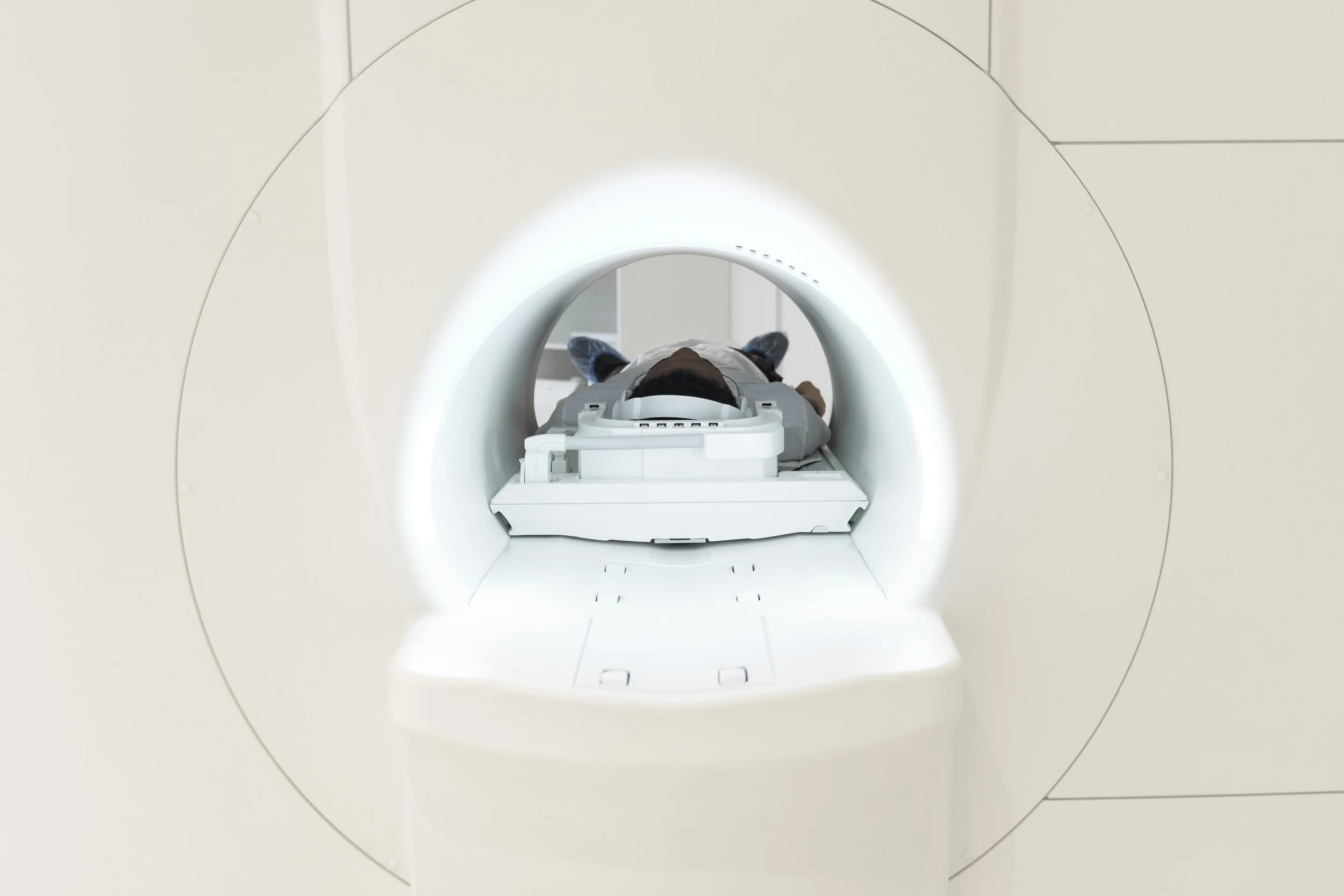
JIET Hospital Jodhpur provides advanced radiation oncology services using modern LINAC technology. TrueBeam-based radiotherapy can support precise and image-guided cancer treatment. The technology combines radiation delivery with imaging and positioning capabilities. Treatment is planned according to each patient's individual cancer diagnosis and clinical needs.
What Is TrueBeam LINAC Technology?
The TrueBeam is a type of medical linear accelerator (LINAC) used for advanced external-beam radiation therapy treatments. A LINAC produces a beam of high-energy radiation, such as X-rays, that can be directed to your tumor. External-beam radiation therapy is local radiation therapy; this means the radiation is aimed at a particular area of your body and not the entire body.
Many technologies can be combined in a single treatment platform, such as in the TrueBeam. These can incorporate the guidance and image systems, exact shaping of the radiation beam, patient-positioning systems, and the motion management system. The aim is to enable the treatment team to deliver the planned radiation dose to the desired target site.
JIET Hospital’s Radiation Oncology Department lists services including Image-Guided Radiotherapy (IGRT), Intensity-Modulated Radiotherapy (IMRT), and palliative radiotherapy, along with a linear accelerator, collimator, imaging system, and respiratory-gating system.
How Does TrueBeam Work?
Before radiation therapy begins, the treatment team performs detailed planning. Depending on the cancer, this may involve CT or other imaging to identify the tumor and the nearby organs that need to be protected.
A medical physicist, dosimetrist, and radiation oncologist work together to develop and verify the treatment plan. During treatment, the LINAC delivers radiation according to that plan.
TrueBeam’s technology can coordinate imaging, positioning, motion management, and radiation delivery. Its beam-shaping system can help conform radiation to the target, while image guidance helps the team verify positioning before or during treatment.
This is particularly useful when the tumor is close to sensitive organs or when its position can change with breathing or other movement.
What Are the Benefits of TrueBeam LINAC Technology?
1. Precise Radiation Delivery
One of the main goals of modern radiation therapy is to deliver the prescribed dose to the tumor while reducing unnecessary radiation to nearby normal tissues.
TrueBeam incorporates advanced beam-shaping and image-guidance technologies to support this goal. The TrueBeam platform can be used with techniques such as IGRT, IMRT, and stereotactic treatments.
2. Image-Guided Treatment
Tumors and organs can shift slightly because of breathing, digestion, or normal body movement. Image-guided radiotherapy helps the treatment team verify the patient’s position and target before radiation is delivered.
JIET Hospital specifically lists IGRT among its Radiation Oncology services.
3. Motion Management
Respiratory motion is particularly important for tumors of the lung, liver, or upper abdomen.
It is possible to add respiratory gating to the TrueBeam system, meaning that the radiation can be delivered in synchronization with breathing in suitable patients. The TrueBeam platform was created with motion management in mind and particularly with breathing movement of the tumor.
4. Advanced Treatment for Selected Small or Complex Targets
To the extent clinically applicable, TrueBeam can accommodate stereotactic procedures of radiosurgery (SRS) and stereotactic body radiotherapy (SBRT).
According to information shared by a hospital that installed the JIET version of TrueBeam, it can support a highly accurate way of delivering radiation to specific brain, spine, lung, liver, prostate, and head and neck cancer lesions via a “high-definition multi-leaf collimator.” The choice of whether to use SRS or SBRT is based on various cancer characteristics and treatment planning factors, however.
5. Potentially Shorter Treatment Delivery
Modern radiation systems can deliver some treatments more efficiently than older approaches. TrueBeam was designed to support high-speed radiation delivery while maintaining treatment precision.
Shorter time on the treatment couch can be useful for patient comfort and may reduce the opportunity for movement during dose delivery. However, shorter treatment time does not mean every patient needs fewer radiation sessions. The number of sessions depends on the cancer and the treatment plan prescribed by the radiation oncologist.
Which Cancers Can Be Treated Using TrueBeam?
Radiation therapy can be used for many different types of cancer. The exact technology and treatment technique depend on the tumor’s location, size, stage, proximity to sensitive organs, and the patient’s overall health.
TrueBeam-based radiotherapy may be considered for selected cases involving areas such as:
Brain and selected brain metastases
Lung
Liver
Prostate
Head and neck
Spine
Breast
Other tumors requiring highly conformal or image-guided radiation
At JIET Hospital, the Radiation Oncology Department provides information about radiation treatment for cancers including lung, breast, prostate, head and neck, colorectal, brain and gynecological cancers.
TrueBeam at JIET Hospital Jodhpur
The installation of TrueBeam at JIET Medical College and Hospital represents an expansion of the hospital’s radiation oncology infrastructure.
JIET Hospital’s Radiotherapy facility describes its LINAC-based radiotherapy services as being designed to target tumors while helping spare surrounding healthy tissues. The hospital also highlights advanced imaging and personalized treatment planning.
JIET Hospital’s broader cancer-care program includes medical oncology, surgical oncology, radiation oncology, and nuclear medicine, supporting a multidisciplinary approach to cancer management.
The hospital’s Oncology & Cancer Care page provides additional information about its integrated cancer treatment services.
JIET Medical College and Hospital is located at Mogra on the Jodhpur-Pali Highway. Its official information describes a 30-acre campus and a radiotherapy complex with a linear accelerator, CT simulator, radiotherapy bunkers, brachytherapy, and other cancer-care infrastructure.
Is TrueBeam Better Than Conventional Radiation Therapy?
It is more accurate to say that TrueBeam provides advanced capabilities for delivering radiation therapy, rather than saying it is automatically better for every patient.
Radiation treatment is highly individualized. Some patients may benefit from conventional fractionated radiotherapy, while others may be candidates for IMRT, IGRT, SBRT, SRS or other techniques.
The radiation oncologist decides the appropriate approach after reviewing the diagnosis, pathology, imaging, tumor characteristics, previous treatments, and overall health.
The objective remains the same: deliver an effective radiation dose to the cancer while protecting healthy tissues as much as reasonably possible.
What Happens During a TrueBeam Treatment Session?
For most external-beam radiation treatments, the patient lies on a treatment table while the LINAC moves around the body without touching it. The machine delivers radiation from carefully planned directions.
Before treatment, the team positions the patient according to the treatment plan and may use imaging to verify alignment. The radiation itself is not felt during delivery, although patients may hear sounds from the machine.
The exact duration and number of sessions vary. Some conventional radiation courses involve multiple sessions over several weeks, while selected stereotactic treatments may use fewer sessions.
Does TrueBeam Radiation Therapy Have Side Effects?
Radiation therapy can cause side effects, but they depend heavily on the area being treated, radiation dose, treatment schedule, and individual patient factors.
Possible effects may include fatigue, skin changes, irritation, or symptoms related to the organ being treated. Many side effects are temporary, while some can persist or appear later.
Patients should discuss expected side effects with their radiation oncologist before treatment. JIET Hospital also provides information about common radiation therapy side effects and their management.
Why Is Personalized Treatment Planning Important?
High technology is only a component of present radiotherapy. Precise diagnosis, treatment planning, medical physics and quality assurance, and astute clinical decision-making are equally critical.
The radiation oncology team evaluates each patient’s cancer individually and selects the appropriate technique and dose. JIET Hospital’s personalized radiation therapy approach emphasizes assessment of the cancer type, stage, medical history, and overall health before developing a treatment plan.
Frequently Asked Questions (FAQs)
1. What is TrueBeam LINAC?
TrueBeam is a linear accelerator platform for external beam radiation therapy. The platform integrates imaging, beam shaping, positioning, and motion management to deliver radiation therapy accurately.
2. Is TrueBeam radiation therapy painful?
Radiation delivery is usually a painless procedure. You lie on a treatment couch, and the machine delivers radiation without touching your skin. You can experience side effects during or after the course of radiotherapy depending on your area of treatment and dose.
3. Which cancers can be treated with TrueBeam?
This procedure is compatible with radiation treatment plans for a wide variety of tumors, including certain tumors of the brain, lung, liver, prostate, breast, head and neck as well as spinal tumors. The treatment method that you will receive is dependent upon your tumor location and current treatment approach.
4. Can TrueBeam reduce the number of radiation sessions?
In selected cases, advanced stereotactic techniques can deliver treatment in fewer sessions than conventional radiation schedules. However, this is not suitable for every patient. The number of sessions is determined by the radiation oncologist based on the cancer and treatment objectives.
5. Is TrueBeam available at JIET Hospital Jodhpur?
Yes. One such advanced Varian TrueBeam radiotherapy LINAC was installed and inaugurated at JIET Medical College & Hospital, Jodhpur, in July 2026. The system installed has HDMLC, a 6D couch & respiratory gating facility.
Conclusion
TrueBeam LINACs offer precision at the next level in radiation therapy. Integrated advanced imaging, beam shaping, positioning, and motion management tools offer radiation oncology teams a tool to treat selected tumors precisely.
The installation of the advanced TrueBeam at JIET Hospital Jodhpur strengthens the hospital’s existing radiotherapy infrastructure and its overall multidisciplinary cancer care program.
However, for patients thinking of radiation therapy, the best first step is a consultation with an experienced radiation oncologist. TrueBeam is a sophisticated tool, but the right treatment technique would depend on each type of cancer, staging and location of the tumor, previous treatments received, and the patient’s overall well-being.
For more information about radiation oncology and cancer treatment at JIET Hospital, visit the Radiation Oncology Department or the hospital’s Cancer Treatment page.
Disclaimer: Medical Disclosure: This has been produced for information purposes only and doesn’t constitute any medical advice. Your oncologist will choose the best TrueBeam technique, dose, and treatment session schedule appropriate for your specific diagnosis and medical condition.


