
What is the difference between PCOD and PCOS? Symptoms, Causes, Diagnosis and Treatment
A lot of women end up dealing with things like odd, irregular periods, acne, sudden weight gain or even rapid weight loss, more hair growth than before, or difficulties when trying to conceive. And in many cases, people also hear similar-sounding terms like PCOD vs PCOS. Since the names sound almost the same, many individuals end up using them kind of interchangeably. But understanding the difference between PCOD and PCOS matters a lot, because it helps with earlier diagnosis, more effective treatment, and better day-to-day control over reproductive health.
PCOD, which is short for Polycystic Ovarian Disease, and PCOS, meaning Polycystic Ovary Syndrome, are both hormonal problems that can show up in women, most often during the reproductive years. Even if both conditions involve a hormonal imbalance and there are noticeable changes around the ovaries, PCOS is usually seen as the more intricate metabolic and hormonal situation so that it might require ongoing medical care over time.
At JIET Hospital, the Department of Gynaecology & Obstetrics provides specialised support for women’s concerns such as menstrual problems, hormonal disorders, infertility, pregnancy-related issues, and a wide range of other women’s health matters.
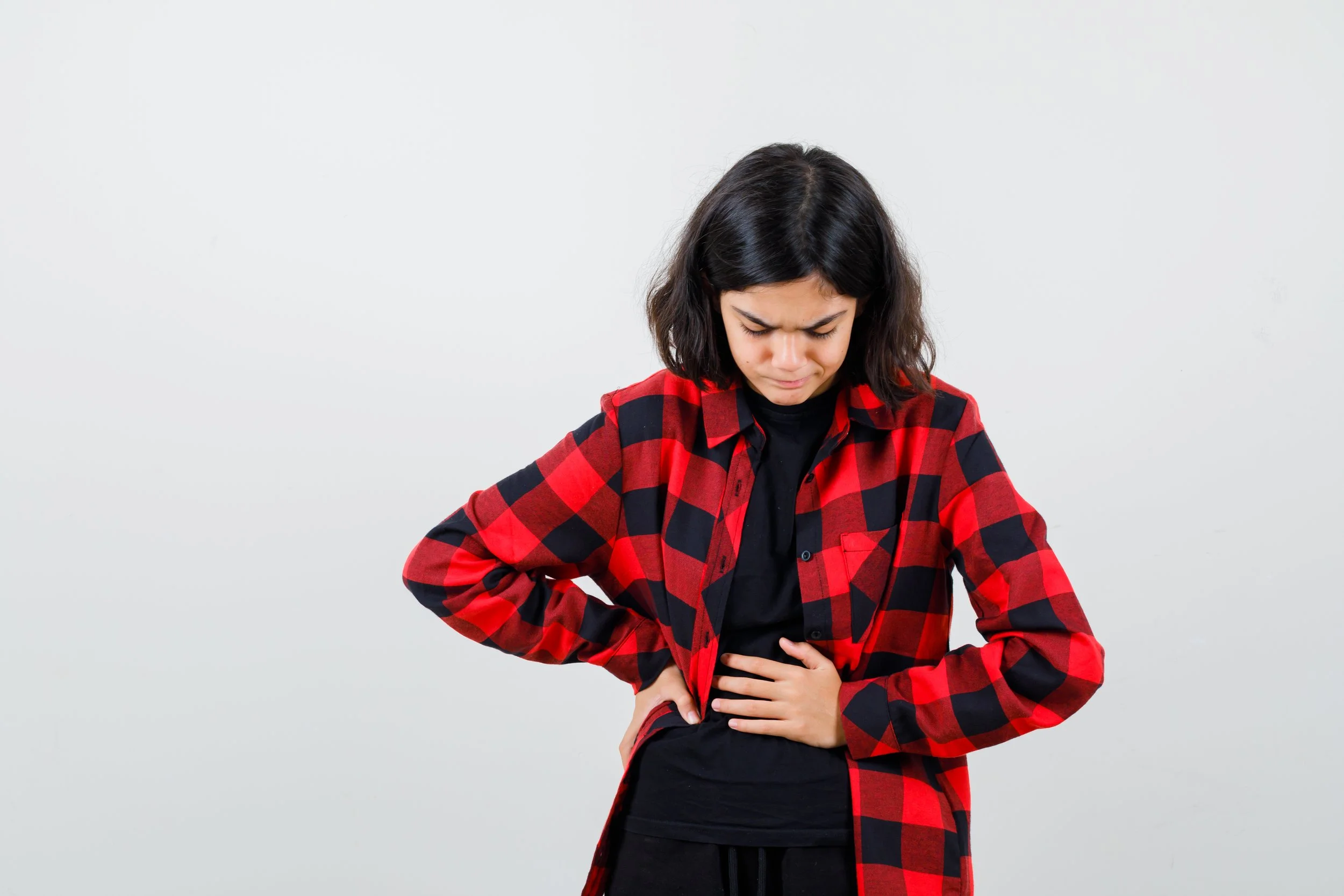
Young woman experiencing lower abdominal pain, representing common symptoms of PCOD and PCOS. Learn about their differences, causes, diagnosis, and treatment at JIET Hospital.
What is PCOS?
PCOD or Polycystic Ovarian Disease is a condition where the ovaries may generate many eggs that are immature or partially matured. Sometimes these eggs are seen as little cysts. Often it is connected with lifestyle issues and hormonal imbalance.
Women with PCOD may have:
Irregular menstrual cycles
Weight gain or difficulty losing weight
Acne and oily skin
Increased facial or body hair
Mood changes
Fertility challenges in some cases
PCOD can usually be kept in control with a balanced diet, regular exercise, stress management, and medical guidance if necessary.
PCOS: What Is It?
PCOS (Polycystic Ovary Syndrome) is a hormonal and metabolic illness that affects the working of the ovaries and the levels of hormones. It is associated with high levels of androgens (male hormones), irregular ovulation, and symptoms including acne, excess hair growth, and fertility problems.
Common features of PCOS are:
Irregular or missed periods
Difficulty with ovulation
Increased androgen levels
Excess facial or body hair
Persistent acne
Weight gain
Insulin resistance
Increased risk of metabolic problems
PCOS is not just an ovarian condition; it can affect overall health, including metabolism and long-term wellness.
PCOD vs PCOS: Key Differences
| Feature | PCOD | PCOS |
|---|---|---|
| Full Form | Polycystic Ovarian Disease | Polycystic Ovary Syndrome |
| Nature | Ovarian condition | Hormonal and metabolic disorder |
| Severity | Usually milder | Can be more complex |
| Ovulation | May be affected | Often affected |
| Hormonal Imbalance | Common | More significant androgen imbalance |
| Fertility Impact | Possible but usually manageable | Higher chances of fertility-related issues |
| Long-Term Risks | Lower | Higher risk of insulin resistance and metabolic complications |
Symptoms of PCOD and PCOS are:
A hormonal imbalance causes both conditions so that symptoms can be similar. Common symptoms:
1. Uneven Menstrual Cycle
One of the most prevalent symptoms is an irregular period. Some women may have periods that come later than expected, are missed completely, or are very light or very heavy.
2. Weight Increase
Hormonal imbalance and insulin resistance can make it difficult to manage weight, especially around the midsection.
3. Skin Problems & Acne
Higher amounts of androgens can cause more oil to be produced, which can lead to acne, oily skin, and outbreaks.
4. Excessive Hair Growth
Some women may have hormonal changes that result in more hair on their face, chin, or undesirable body hair.
5. Thinning hair
Hormonal imbalance can be the reason for thinning of scalp hair or hair fall.
6. Problems with fertility
PCOS can impair ovulation and make it harder for some women to conceive. Early diagnosis and appropriate treatment can increase reproductive performance.
Causes and Risk Factors for PCOD and PCOS
The exact cause of PCOD and PCOS is not fully known, but several factors may contribute:
Hormonal imbalance.
High androgen levels can interfere with normal ovulation and menstrual cycles.
Insulin Resistance
Insulin resistance is common in women with PCOS — meaning their bodies don’t respond well to insulin. Results in weight gain and increased androgen production.
Hereditary
A woman who has a family history of PCOS and other related hormonal conditions may be at increased risk.
Lifestyle Factors
An unhealthy diet, a lack of exercise, chronic stress, and an unhealthy lifestyle can aggravate symptoms.
How PCOD and PCOS are diagnosed
The diagnosis requires a complete physical examination. The gynaecologist may recommend:
Medical History Intake
Your doctor may ask you about:
Menstruation cycles
Changes in weight
Skin & hair problems
History of pregnancy
Family health history
Physical Exam
Doctors may look for things such as acne, increased hair growth, and weight problems.
Blood Tests
Blood tests can be performed to examine levels of hormones, thyroid function, sugar, and other associated factors.
Sonography
Pelvic ultrasound can be helpful in evaluating the ovaries and detecting polycystic ovarian changes. But ovarian cysts alone are not confirmation of PCOS. Diagnosis is based on the combination of symptoms, hormone levels, and clinical findings.
It is better to visit an experienced gynaecologist in Jodhpur for proper diagnosis rather than relying on an online symptom checker.
PCOD and PCOS treatment
Treatment varies based on your symptoms, age, general health, and whether you intend to have children.
Changes in Lifestyle
Healthy living choices are the key to controlling PCOD and PCOS:
Proper nutrition
Consistent exercise
Keeping a healthy weight
Sleep tight
Stress management
Medicaments
Doctors may prescribe drugs that:
Balance menstrual cycles
Enhance insulin sensitivity
Control acne and excessive hair growth
Support ovulation in women who want to conceive
Medications should only ever be taken under the supervision of a doctor.
Fertility Therapy
If a woman is having trouble getting pregnant because of ovulation problems, then fertility assessment and specialised care may help.
At JIET Hospital, we provide complete healthcare for women covering services like Infertility, High Risk Pregnancy and Gynaecology.
When to Visit a Gynaecologist?
If you experience: see a doctor
Frequent delayed periods
Periods delayed frequently
Severe acne or sudden hair growth
Unexplained weight gain
Difficulty getting pregnant
Pelvic discomfort
Symptoms affecting daily life
Early diagnosis may help reduce complications and improve quality of life.
FAQs (Frequently Asked Questions)
Is PCOD and PCOS the same?
No. PCOD and PCOS have comparable symptoms, but PCOS is usually considered a more complicated hormonal and metabolic disorder.
Can you get pregnant with PCOS?
Yes. Most women with PCOS can conceive spontaneously or with the help of medication. Accurate diagnosis and therapy can enhance reproductive outcomes.
Is there a permanent cure for PCOS?
PCOS is a chronic disorder, although symptoms can be adequately treated with lifestyle changes, medication, and regular medical attention.
Do all women with PCOS have ovarian cysts?
No, ovarian cysts are not necessary for the diagnosis. Hormonal signs and irregular ovulation can occur with PCOS even when no cysts are evident.
Summary
PCOD and PCOS are common hormonal health conditions that need awareness and proper medical guidance. Although the symptoms can be similar, PCOS can have wider effects on hormones and metabolism.
If you have irregular periods, fertility problems, acne, weight changes, or any other symptoms, a consultation with a qualified gynaecologist can help you get the right diagnosis and treatment plan.
The Gynaecology & Obstetrics team at JMCH Hospital in Jodhpur provides specialised care for women’s reproductive health. The staff guides patients in managing hormonal imbalances and related issues with skilled medical support.


