
Fungal Infections in Humid Weather: Causes, Symptoms & Prevention
Humid weather can be kinda challenging for your skin. In monsoon and summer months the higher moisture, more sweating , and slower evaporation make a very good condition for fungal growth. Because of that a lot of people notice itchy rashes, redness, skin peeling, and fungal infections that come back again and again.
Fungal infections are among the most common skin issues, particularly in tropical climates where heat stays strong and humidity stays around. These problems aren’t limited to one area only, they can show up on the skin, affect the nails, and even involve the scalp.
For proper diagnosis and treatment of fungal skin problems, consulting an experienced dermatologist is important. Patients can visit the Dermatology & Cosmetic Department at JIET Hospital for expert evaluation and advanced skin care solutions.
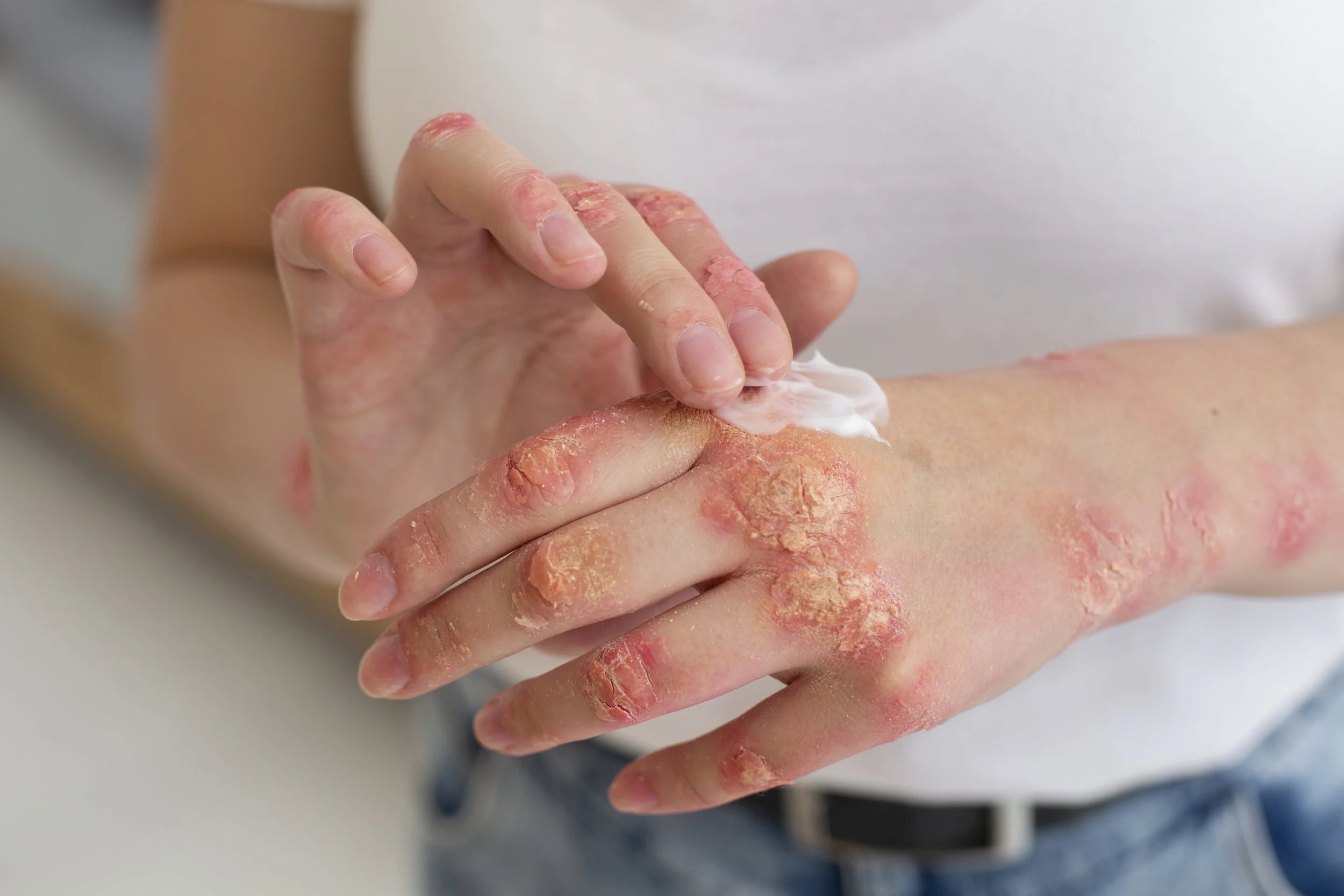
When the weather is humid, it can raise the danger of fungal infections because excess sweat and too much moisture just stays around. You might notice itchiness, redness, or skin rashes, and honestly those signs should not be brushed off or delayed. If these symptoms continue for more than a short time, it is a good idea to consult the expert dermatologists at JIET Hospital, so you can get a timely diagnosis and an effective course of treatment.
What Makes Fungal Infections Happen More When the Weather Is Humid?
Fungi naturally exist on our skin, but when there is too much moisture and the conditions feel right, they multiply really fast. Humid weather tends to make fungal infections more likely because of a few common reasons, for example
1. Too much sweating
Honestly, sweating is one of the big reasons fungal infections show up more often in summer, or especially during monsoon. When sweat stays kinda trapped in spots like underarms, groin, feet, or in skin folds, fungi basically end up with a comfy little place to grow.
Keeping your skin clean and dry is essential to prevent infections and maintain overall skin, nail, and hair health.
2. Tight clothing and weak air circulation
Wearing tight clothes, especially those made from synthetic fabrics can trap sweat and warmth against the skin. That keeps the moisture there longer, and then fungal growth becomes easier.
Picking loose cotton clothing , plus sticking to steady hygiene habits can meaningfully lower your chances of getting fungal infections.
3. Improper Skin Drying
Many people do not dry certain body areas properly after bathing. Moist areas between toes, underarms, and skin folds can become breeding grounds for fungi.
If you experience recurring itching, redness, or rashes, a consultation with a qualified dermatologist at JIET Hospital can help identify the exact cause.
Common Types of Fungal Infections
Ringworm (Tinea Corporis)
Ringworm is a common fungal infection that causes circular, red, itchy patches on the skin. It can spread if left untreated.
Athlete’s Foot
This infection affects the feet and commonly occurs due to excessive sweating and moisture. Symptoms include:
Itching between toes
Skin peeling
Burning sensation
Cracked skin
Jock Itch
Jock itch affects the groin area and causes irritation, redness, and persistent itching.
Nail Fungus
Fungal infections can also affect nails, leading to:
Yellow or white nail discoloration
Thickened nails
Brittle nail texture
Patients experiencing nail-related fungal problems can seek expert guidance through JIET Hospital’s dermatology services.
Symptoms of Fungal Infections
Common symptoms include:
Persistent itching
Red patches on the skin
Circular rashes
Skin peeling
Burning sensation
Dry and cracked skin
Nail discoloration
Repeated skin infections
Ignoring these symptoms may allow the infection to spread to other areas of the body.
Why You Should Avoid Self-Medication
Many people use random creams available at pharmacies to treat itching and rashes. However, some steroid-containing creams may temporarily reduce symptoms while allowing fungal infections to become worse.
Incorrect treatment can result in:
Frequent recurrence
Increased infection severity
Longer recovery time
A dermatologist can provide accurate diagnosis and recommend suitable antifungal treatment based on your condition.
You can schedule a consultation with specialists through the JIET Hospital healthcare services for proper skin infection management.
Prevention Tips for Fungal Infections in Humid Weather
Keep Your Skin Dry
Follow these simple steps:
Dry your body completely after bathing
Avoid wearing sweaty clothes for long periods
Keep skin folds clean and dry
Wear Breathable Clothes
Choose:
Cotton clothing
Comfortable footwear
Fresh socks every day
Avoid tight synthetic clothes that trap moisture.
Maintain Foot Hygiene
To prevent fungal infections:
Keep feet dry
Avoid walking barefoot in damp areas
Allow shoes to dry properly
Change socks regularly
Do Not Share Personal Items
Avoid sharing:
Towels
Clothes
Razors
Personal grooming items
When Should You Visit a Dermatologist?
You should consult a skin specialist if:
The rash continues for more than a few days
Infection keeps coming back
The affected area is spreading
Nails or scalp are involved
Home remedies are not improving symptoms
For advanced diagnosis and treatment of fungal infections, you can consult the Dermatology Department at JIET Hospital, where specialists provide care for various skin, nail, and hair-related conditions.
Conclusion
Fungal infections seem to show up more often in humid weather because heat, and moisture sort of team up to make the perfect setting for fungal growth. So, keeping good hygiene , making sure the skin stays dry , wearing breathable clothes, and also avoiding self medication are all key steps for prevention.
If you start noticing itching that doesn’t calm down , weird rashes , or fungal infections that keep coming back , it’s better to seek professional medical advice , so you can get the correct diagnosis and treatment, not just guess.
For expert dermatology consultation and a more thorough skin care approach, connect with JMCH Hospital and take the right step toward healthier skin.
Frequently Asked Questions
1. Why do fungal infections seem more common when the weather is humid?
Because humid weather gives fungi a warm, moist little playground where they can multiply pretty fast, there’s excessive sweating, damp clothing, and even moisture that gets trapped in skin folds, all of which quietly raise the odds of a fungal skin infection.
2. What are the usual signs of a fungal skin infection?
You’ll often notice persistent itching, red patches, or a circular rash pattern, skin that starts to peel, a burning sensation, cracked skin, and changes in color in the affected spot. For nail infections, the nails can become thickened and brittle, kind of crumbly and uneven compared to normal.
3. Can fungal infections spread from person to person?
Yes. A lot of fungal infections can be passed along through direct skin contact, or kinda indirectly when contaminated things get shared, like towels, clothing, socks, shoes, or even personal grooming products.
4. How do I lower the chance of getting fungal infections in the monsoon or during the summer?
You can cut down the risk by keeping your skin dry, wearing loose cotton clothes, switching sweaty clothes quickly, sticking to good personal hygiene, and not sharing personal items with others.
5. Do fungal infections sometimes go away on their own, without treatment?
Some mild cases might improve if hygiene is handled carefully, but quite a few still need antifungal medication. If treatment is delayed, the problem can keep spreading, or it can come back in a new shape. Sometimes it looks better for a bit, then it returns.
6. Can I use over-the-counter creams for fungal infections, and is it safe?
Not always, unfortunately. A number of these creams include steroids, and they can calm the itch for a short time, but then make the fungal infection worse. So it’s safer to speak with a dermatologist first, before you start any topical treatment at all.
7. Who might be more likely to develop fungal infections?
It’s often people with diabetes, weakened immunity, or maybe those who sweat a lot, plus those who are obese. Also, wearing tight, non-breathable clothing tends to raise the odds, because the skin stays moist. In general, these factors help fungi settle in and grow.
8. When do I need to see a dermatologist for a fungal infection?
You should consult a dermatologist if it spreads, keeps coming back, or involves the nails or scalp. Also, if it doesn’t improve after you use the antifungal treatment your doctor prescribed , then it’s time to get checked. A faster diagnosis usually helps avoid complications, even if it feels mild at first.


