
Very Preterm Baby Treatment: JIET Hospital Saved a Premature Baby After 2 Months of NICU Care
A unique aspect is that the birth of a child is one of the most popular moments for each category; if a child is born much earlier than expected, the situation can quickly become emotional and medically difficult. Looking at this, preterm children require specialized medical attention, advanced neonatal engineering, and ongoing surveillance to survive and flourish. Such an inspiring story developed in the JIET, Jodhpur, where a remarkably preterm and very low birth weight baby successfully completed nearly two months of neonatal intensive care unit (NICU) treatment before being discharged home in good health, facilitating the process of a more efficient process.
To put it simply, this convalescence highlights the role of the Pediatrics & Neonatology Department at JIET Hospital. It shows how speedy intervention, advanced NICU care, and compassionate aesculapian living can help the most vulnerable newborns commence existing in good health if you are looking.
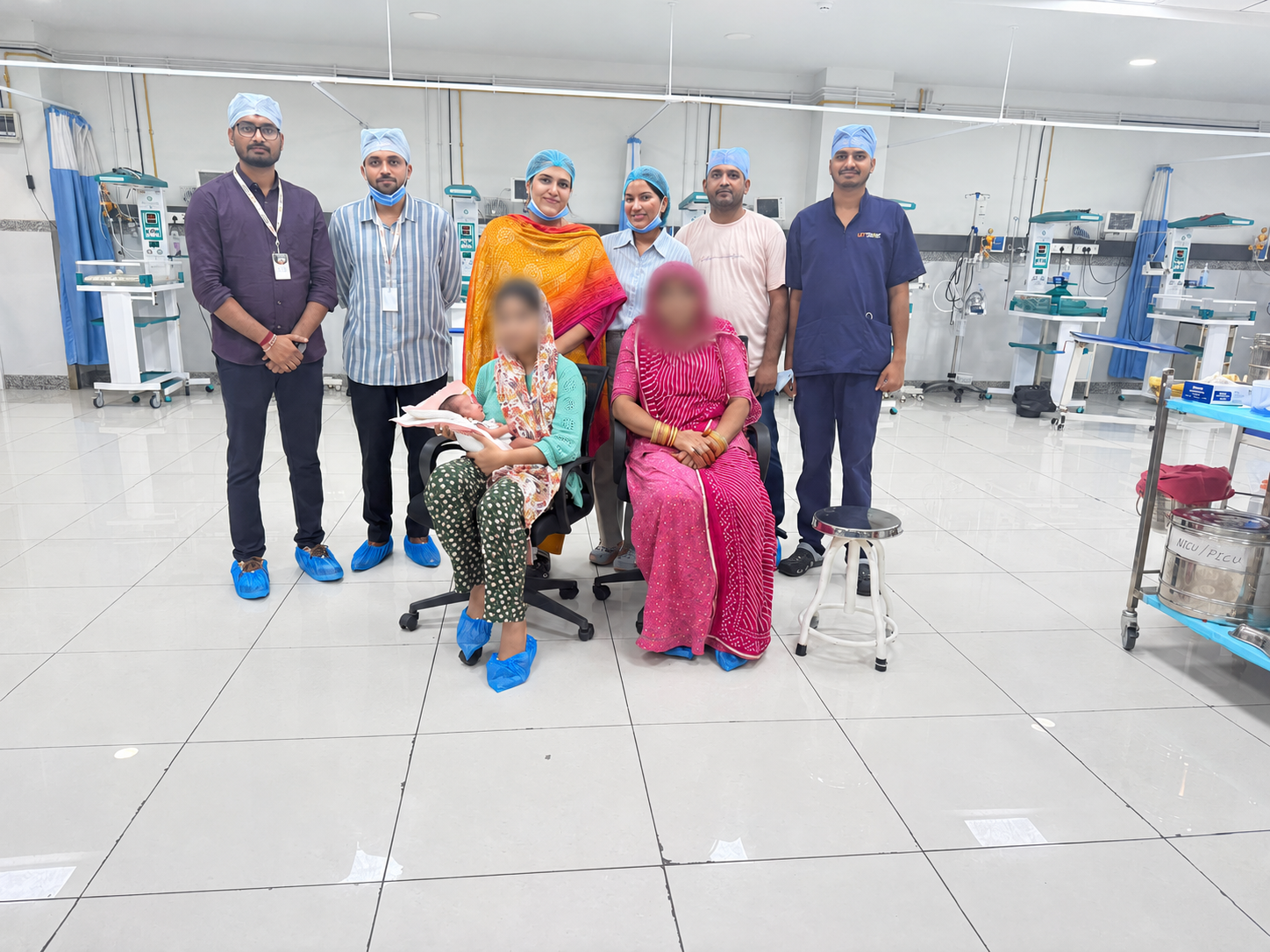
At JIET Hospital, our doctors gave a new lease on life to an extremely premature baby. Thanks to the expert care of Dr. Preeti Budania and our dedicated NICU team, along with advanced neonatal technology, the baby successfully overcame nearly two months of intensive treatment and is now healthy enough to return home with the family.
Understanding Very Preterm Birth
One component worth noting is that a baby born at 32 Weeks Ago is classified as an Extremely Preterm baby. If you’re struggling with this, as many organs do at this phase, these newborns often face several health challenges immediately after birth. It is worth highlighting whether the aim is to make things easier. In plain language, they may need respiratory protection, special feeding, temperature control, an infection barrier, and ongoing aseptic surveillance.
In addition, babies weigh. In plain language, these neonates are at greater risk of complications and need authorization to use a well-equipped level III NCU under the supervision of experienced neonatologists.
High-Risk Pregnancy Requires Specialized Care
This is not as complicated as it seems: the infant’s journeying jumped before birth. Simply put, the mother had a history of recurrent pregnancy loss, which makes this pregnancy very complicated. When applied to real situations, the doctors named cervical incompetence or brain disease, a disease in which the cervix is weakened and opens too early during pregnancy, which increases the risk of premature delivery, combining theory with real-world application.
The strength of this approach is that such pregnancies require continuous monitoring by experienced accoucheurs and close coordination with neonatologists to prepare for the baby’s arrival, maintaining simplicity and clarity. You’ll notice that in JIET Hospital, the collaboration between the Gynecology & Obstetrics and the neonatology team allowed both the mother and the baby to receive specialized handling in a timely manner during pregnancy and accouchement.
Immediate NICU Admission After Premature Birth
It’s important to understand that the baby was expected clearly before the birth date due to a remarkably low birth weight: maturation and the associated.
One entity worth noting is that premature children often have their lungs, digestive system, immune system, and other organs that are not fully developed. This is surprisingly effortless to understand: The First Few Minutes after birth are particularly in need of constant observation and speedy medical treatment if necessary.
In simple terms, at the JIET infirmary’s advanced NICU, the newly formed team launched a treatment to stabilize the baby’s condition, providing the specialized support needed for salubrious increment and evolution.
Two Months of Dedicated NICU Care
The recovery of the. Looking into this, I found that the medical team has acted tirelessly to address the challenges of a very early birth.
When things get tricky, the newborn has been continually monitored for signs, nutritional support for steady weight gain, respiratory assistance if necessary, and strict control measures for infection. This works because each phase of handling was cautiously projected for the maturation of the baby’s organs, minimising the risk of complications.
This is significant because enlisted PCPS have played an equally important role in 24-hour maintenance, food data monitoring, maintenance of body temperature, and livelihood for evolution upkeep in the NICU environment.
The main point is that under the competent supervision of Dr. Preeti Budania and the experienced nursing team, the child’s condition continuously improves every week.
Teamwork of Experts Made the Recovery Possible
What stands out is that managing an exceptionally preterm child requires more than advanced engineering. You’ll notice that we need to act as a coordinated team between neonatologists, pediatricians, nurses, nutritionists, and the baby’s family.
Also, during the extended stay of the child in the NCI, each aspect of the care was focused on improving health results, including:
Continuous monitoring of heart rate, oxygen levels, and breathing
Specialized diet to advance healthy weight gain
Prevention of infections with strict NCI protocols
Respiratory assistance if necessary
Temperature adjustment with sophisticated neonatal equipment
Unconstipated clinical ratings to monitor evolution
Simply put, in addition to specialized medical attention, parents received exceptional care and confidence throughout their questioning, which is exciting.
A Happy Homecoming After Successful NICU Treatment
Basically, after Almost Two Months of treatment, the child achieved an acceptable weight gain and met the Aesculapian measures necessary to release.
What’s really impressive is that for the Aesculapian team, this was a successful release. This is actually quite simple: it reflected Weeks of attentive care, careful surveillance, clinical and level commitment to the neonate to give the best chance of lasting.
Basically, for parents, it was the goal of an emotional experience full of hope, religion, and gratitude when they received their salubrious baby.
Why Modern NICU Care Is Important for Premature Babies
The main point is that premature nascency stays one of the main causes of newborn complications in the world; advances in neonatal medicine have improved the survival rates of children born early.
The main point is that the modern NICU grade III offers specialized facilities such as:
Extensive respiratory protection
Neonatal surveillance schemes
Infection control protocols
Specialized food management
Experienced neonatologists and NCU nurses
Mob-centred neonatal tutelage
Looking at this, other diagnoses, immediate intervention, and ongoing surveillance are factors in the terminations for very preterm and exceptionally low birth weight babies.
Why Parents Trust JIET Hospital for Neonatal Care
JIET Hospital has been established. The main point is that the hospital provides integrated care through its gynecology and obstetrics, pediatrics, and neonatology, and modern NCU facilities provide intervention for mothers and neonates.
One thing to be aware of is that the multI-corrective approach of the hospital allows for unlined coordination among specialists, which allows low-risk pregnancies and seriously inauspicious newborns to receive well-timed and evidence-based medical care.
Most researchers agree that parents can research extra health resources and information on the welfare of children via the JIET Hospital Health Blog or organize steps on the hospital’s contact and appointment website.
Frequently Asked Questions
What Is a Very Preterm Child?
The approach to a very pre-natal child yielded 32 Weeks of pregnancy and normally requires specialized care of the NCU, as several organs are still developing.
What Is a Very Low Birth Weight (VLBW) Baby?
A baby weighing Less Than 1.5 Kg (1500 Grams) at birth is considered to be a baby with tremendously low birth weight and may require intensive neonatal care.
How Long Can a Premature Baby Stay in the NICU?
The duration depends on the length of pregnancy, the weight of the baby, and the mother's health. Babies stay for A Few Weeks, others want specialized attention for Several Months before returning home.
Can Extremely Preterm Babies Recover Completely?
With reasonable medical treatment, specialized neonatal care, proper nutrition, and regular care, many extremely preterm children grow up healthy and reach normal developmental milestones.
Conclusion
The successful recovery of this very preterm infant with very low birth weight is a validation of the devotion and care of the Aesculapian team at JIET Hospital. This underscores the fact that with the support of state-of-the-art NICU facilities, experienced specialists, and the level of confidence of the baby’s class, this little fighter has overcome enormous challenges and yielded a healthy outcome after two months of intensive care.
A key finding shows that this insight reinforces important content for parents who are pregnant at high risk or who have a history of premature birth: with proper diagnosis, specialized Aesculapian support, and continuous medical support, even the most vulnerable newborns can develop, flourish, and love a level-headed future.


