
Why Do People Ignore Early Gallbladder Pain Until It Becomes an Emergency
Introduction
A mild stomach ache after a heavy meal is something many people have felt at some point, and yes, it is pretty common. Most folks just think it’s acidity, digestive trouble, or some short-lived stomach thing that will settle down on its own. Because of that belief, symptoms that could be linked to the gallbladder are often brushed off until the problem gets so intense it starts messing up regular routines.
Still, that early “just discomfort” phase may be the first signal of Gallbladder stones. If nothing gets done, gallstones can slowly turn into inflammation, infection, bile ducts blocked, and a few other serious complications. In more critical cases, it can even end up needing emergency medical attention, which nobody wants.
At JIET Hospital, we hear a similar narrative again and again. Patients often notice small symptoms weeks, or sometimes even months, beforehand. But they delay treatment because the pain seems tolerable, or they hope it is only a passing phase. Knowing the early signs and choosing timely medical care can help stop severe outcomes, and it can also support a better recovery result.
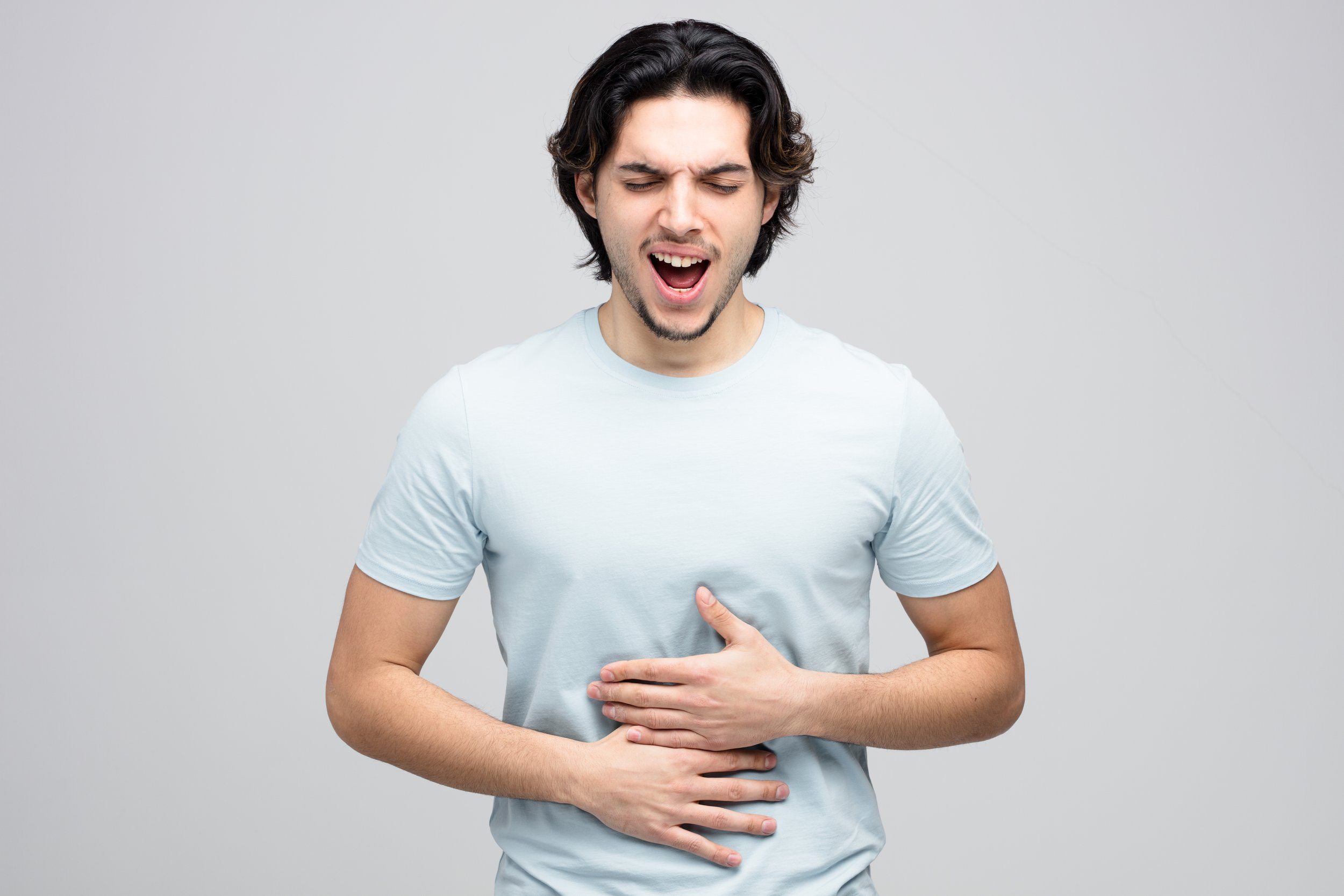
Gallbladder treatment helps manage conditions like gallstones, inflammation, or gallbladder infections. Depending on the severity, treatment may include medications, lifestyle changes, or minimally invasive surgery to remove the gallbladder. Early diagnosis and proper treatment can reduce pain, prevent complications, and improve overall digestive health.
Understanding the Role of the Gallbladder
The gallbladder is this small organ, kind of sitting just beneath the liver. It mainly works by storing bile, which is a digestive fluid made by the liver, and it sort of helps break down fats from the food we eat.
At times, stuff already present in bile can harden up and form stones inside the gallbladder. People call these gallstones. Now, some gallstones don’t really show symptoms at first, yet others can block the usual pathway for bile and then bring on pain or inflammation.
The tricky part is that early signs tend to be pretty mild, and they are also easy to overlook. So a lot of people keep living their normal day-to-day routine, without noticing that something underlying is quietly taking shape.
Common Early Symptoms of Gallbladder Stones
Gallbladder problems rarely begin with severe pain. In many cases, symptoms start gradually and become more noticeable over time.
Some of the most common gallstones symptoms include:
Pain in the upper right side of the abdomen
Discomfort after eating oily or heavy meals
Indigestion or bloating
Nausea and occasional vomiting
Pain that spreads to the back or right shoulder
Feeling unusually full after eating small amounts of food
Sudden episodes of abdominal discomfort
Because these symptoms closely resemble common digestive issues, people often dismiss them as acidity or gas. However, recurring symptoms should never be ignored, especially when they appear after meals.
Why Do People Ignore Gallbladder Pain?
Many factors contribute to delayed diagnosis and treatment.
Symptoms Come and Go
One of the main reasons people ignore gallbladder pain is that it does not always occur consistently. A person may experience pain after a meal and then feel completely normal the next day.
This temporary relief creates a false sense of security, leading many patients to postpone medical consultation.
Mistaking It for Acidity
Digestive discomfort is common, especially after consuming spicy or fatty foods. Since gallbladder pain often feels similar to indigestion, many people rely on home remedies or over-the-counter medications instead of seeking professional advice.
Busy Lifestyles
Work responsibilities, family commitments, and daily routines often take priority over health concerns. Many individuals delay appointments because they believe the symptoms are not serious enough to require medical attention.
Fear of Surgery
Some patients avoid consultation because they worry that treatment will automatically involve surgery. In reality, an early diagnosis allows doctors to assess the condition properly and recommend the most appropriate treatment plan.
How Delaying Treatment Can Become Dangerous
Ignoring symptoms of Gallbladder stones can lead to serious complications. What begins as mild discomfort may eventually develop into a medical emergency.
Potential complications include:
Gallbladder Inflammation
When gallstones block the gallbladder, inflammation can occur. This condition, known as cholecystitis, often causes severe pain and fever.
Infection
Untreated gallbladder inflammation may result in infection, requiring urgent medical intervention.
Blocked Bile Ducts
Gallstones can move into the bile ducts and obstruct the normal flow of bile. This can lead to jaundice and additional complications affecting digestion and liver function.
Pancreatitis
In some cases, gallstones can trigger inflammation of the pancreas, a potentially serious condition requiring immediate medical care.
Emergency Surgery
When complications become severe, emergency surgery may be necessary. Emergency procedures often involve greater risks and longer recovery periods compared to planned treatment.
Seeking timely gallbladder treatment can help prevent these complications and improve overall outcomes.
When Should You Consult a Specialist?
Many people wonder when abdominal discomfort becomes serious enough to seek medical advice.
You should consult a healthcare professional if you experience:
Repeated pain in the upper abdomen
Pain after eating fatty foods
Persistent nausea or vomiting
Fever accompanied by abdominal pain
Yellowing of the skin or eyes
Bloating that frequently returns
Sudden, severe abdominal pain
Early consultation allows doctors to identify the cause of symptoms before complications develop.
Searching for a gallbladder specialist near me and scheduling an evaluation at the first sign of recurring symptoms can make a significant difference in treatment outcomes.
Why Choose JIET Hospital for Gallbladder Treatment?
At JIET Hospital, patients benefit from a comprehensive approach to diagnosing and managing gallbladder conditions.
Experienced Specialists
The medical team carefully evaluates each patient's symptoms, medical history, and diagnostic findings to create an individualized treatment plan.
Advanced Diagnostic Support
Accurate diagnosis plays a critical role in successful treatment. Modern diagnostic facilities help identify gallstones and related complications efficiently.
Minimally Invasive Treatment Options
When surgery is required, minimally invasive techniques may be recommended. These advanced procedures often result in less pain, smaller incisions, and quicker recovery.
Patient-Centered Care
From the initial consultation through post-treatment follow-up, patients receive guidance and support at every stage of their healthcare journey.
Life After Gallbladder Treatment
Many patients worry about how treatment will affect their daily lives. Fortunately, most individuals recover well and return to their normal routines after appropriate treatment.
Doctors may recommend temporary dietary modifications during recovery, including reducing oily and heavy foods. Over time, most patients are able to resume regular activities and enjoy an improved quality of life without recurring gallbladder pain.
The key is addressing the condition before complications develop.
FAQs Section
1. What are the early symptoms of gallbladder stones?
Early symptoms of gallbladder stones may include pain in the upper right abdomen, bloating, indigestion, nausea, vomiting, and discomfort after eating oily or heavy meals.
2. Can gallstones cause severe abdominal pain?
Yes. Gallstones can block the flow of bile and cause sudden, intense abdominal pain known as a gallbladder attack. The pain may also spread to the back or right shoulder.
3. Is it safe to ignore mild gallbladder pain?
No. Even mild symptoms can indicate an underlying gallbladder problem. Ignoring early signs may lead to inflammation, infection, or other serious complications that require emergency treatment.
4. When should I see a doctor for gallbladder symptoms?
You should consult a doctor if you experience recurring abdominal pain, nausea, bloating, fever, jaundice (yellowing of the skin or eyes), or severe pain after meals.
5. How are gallbladder stones diagnosed?
Doctors typically diagnose gallbladder stones through a physical examination, medical history review, ultrasound imaging, and other diagnostic tests if required.
Conclusion
Kinda ignoring the early signs of gallbladder stones can feel harmless at the moment, but if you keep delaying medical attention, the situation can slowly get worse, and at some point it may turn into something that needs emergency help. You should not brush off things like abdominal pain, bloating, nausea, and that strange discomfort after meals, especially when they show up more than once and don’t really settle down.
If you’re trying to recognize gallstone symptoms, it also helps to look for timely gallbladder treatment and consult knowledgeable specialists sooner rather than later. That kind of fast response can reduce the chance of complications, and it also supports a calmer, smoother recovery path.
At JIET Hospital, patients can reach experienced healthcare professionals, plus advanced diagnostic tools and modern treatment choices for gallbladder problems. Moving early, even if the symptoms seem mild, can really make a difference for your long-term health and well-being.
Take charge of your health today. If you happen to notice repeated abdominal unease, bloating, or any signs that sound like gallbladder stones, then book a consultation with the seasoned surgical group at JIET Hospital. Getting the diagnosis earlier and starting timely care can help you steer away from complications and also support a quicker recovery.
Disclaimer: The information shown in this article is meant purely for learning, education, and general awareness. It should not be treated as a replacement for professional medical guidance, diagnosis, or care . If you notice severe abdominal pain, a high fever, vomiting that won't stop, jaundice, or any other emergency-type symptoms, please get immediate medical help from a qualified healthcare provider.


