
Irregular Periods: When to Consult a Gynecologist for Irregular Periods
Introduction
A lot of women don't say anything when their menstrual cycle changes. People commonly ignore heavy bleeding, spotting between cycles, and a late period as "stress" or "hormonal changes." But persistent irregular periods can signal underlying menstrual problems that need medical attention.
Hormonal imbalances, lifestyle stress, and more incidences of PCOS are all making periods unpredictable for teens and women in Jodhpur and all around Rajasthan. The World Health Organization (WHO) says that millions of women around the world have problems with their reproductive health, yet many wait to see a doctor because they are unsure or don't know what to do.
So, when should you see a gynecologist?
This article will explain what causes irregular periods, what indications to look out for, how to diagnose them, what treatments are available, and how getting help early can safeguard your long-term health.
This Guide Will Teach You:
What it actually means to have irregular periods
Things that often cause menstruation troubles
Don't overlook these symptoms
When to see a gynecologist
Options for diagnosis and therapy
Tips for living a healthy life and preventing problems
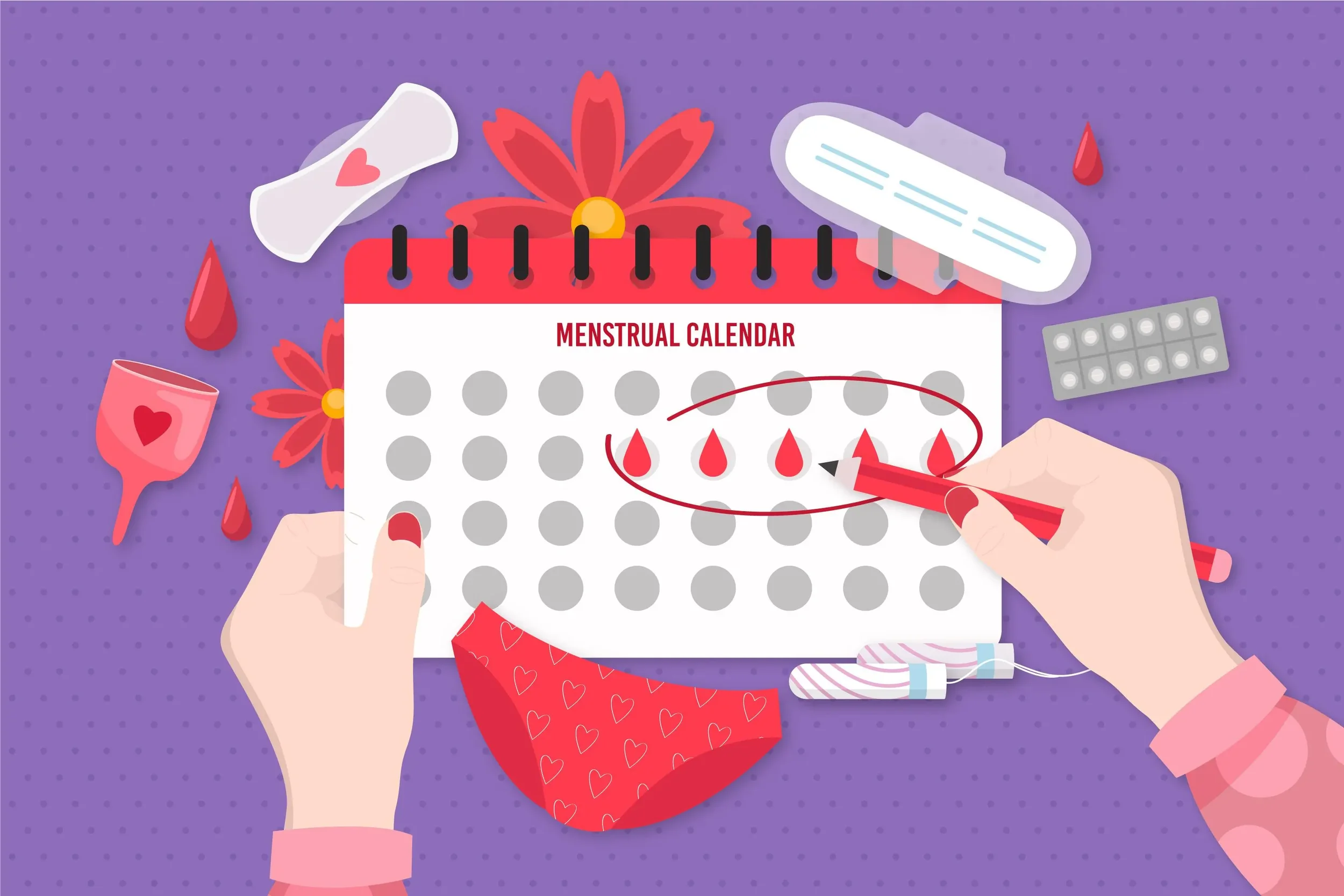
The image shows a woman marking dates on a menstrual calendar, highlighting concerns about irregular periods and tracking cycle patterns. It represents common menstrual problems such as delayed periods, heavy bleeding, and possible PCOS symptoms caused by hormonal imbalance.
About Irregular Periods
A regular period lasts between 21 and 35 days. If your cycle often falls outside of this range or if the flow is exceptionally thick or light, your periods may be called irregular. Your period is like a monthly alarm clock. If it rings at strange times, something might be messing with the internal clock, which is usually hormones.
Some common patterns of menstrual irregularity are:
Periods that don't happen
More than 35 days between periods
Bleeding that happens between menstruation
Menorrhagia is when you bleed a lot.
Very light or short intervals
Painful periods
Stress or travel can sometimes cause changes. It is important to look at repeated irregularity, though.
Causes & Risk Factors
There are many reasons why periods don't happen on time.
Hormonal Imbalance
Polycystic Ovary Syndrome (PCOS) and other conditions that affect ovulation are common causes of irregular periods. The CDC says that about 1 in 10 women of childbearing age have PCOS.
Problems with the thyroid
An imbalance in thyroid hormones can have a direct impact on menstrual cycles.
Stress and Things You Do
Stress that lasts a long time
Weight gain or decrease that happens quickly
Too much exercise
Bad diet
Perimenopause
Women nearing menopause may encounter irregularities in their menstrual cycles.
Other Causes
Fibroids in the uterus
Endometriosis
Infections in the pelvis
Some drugs
The National Institutes of Health (NIH) says that finding hormone problems early on leads to better long-term reproductive outcomes.
Signs and Symptoms
Some symptoms need to be checked out right away.
Signs of Trouble Ahead:
Cycles that last less than 21 days
Cycles that last more than 35 days
Seeing blood between menstruation
Moderate cramping that make it hard to go about your day
Serious Warning Signs:
Bleeding that lasts longer than seven days is a serious warning sign.
Every hour, soaking a pad
Severe pain in the pelvis
Bleeding after menopause
Missed periods with a chance of pregnancy
If these symptoms happen more than once, see a gynecologist right once.
Tests and Diagnosis
A gynecologist will look into irregular periods by:
A full medical history
Examination of the pelvis
Tests for hormones in the blood
Tests for thyroid function
Ultrasound pictures
Pap smear (if necessary)
Modern ultrasound equipment can properly find ovarian cysts, fibroids, or other structural problems.
At JIET Hospital in Jodhpur, diagnostic tests are done in a private and comfortable setting.
Treatment Options Available
The cause of the problem will determine the treatment.
Conservative Management:
Changes to your way of life
How to deal with stress
Diet that is balanced
Managing your weight
Medical Care:
Hormone therapy
Pills for birth control
Medication for the thyroid
How to treat PCOS
Surgical Options (If Needed):
Getting rid of fibroids
Laparoscopic surgery for endometriosis
Most of the time, irregular periods get a lot better with the right medical advice.
Tips For Staying Healthy and Avoiding Problems
To keep your menstrual health, you need to take care of it all the time.
Keep your body weight at a healthy level
Work out on a regular basis
Eat foods that are high in iron
Take care of stress
Don't treat yourself
Keep track of your periods
Set up yearly gynecological checks
WHO stresses the importance of preventative reproductive healthcare to lower the risk of long-term problems.
What Makes JIET Hospital in Jodhpur The Best Choice?
Choosing the proper healthcare professional ensures accurate diagnosis and individualized care.
The JIET Hospital in Jodhpur has:
Gynecologists with a lot of experience
Modern ultrasound and lab facilities
Women's health services that are just for them
Counseling that puts the patient first
A comfortable place to talk to someone
Easy to get to in Rajasthan
JIET Hospital doesn't write generic health articles; instead, they focus on making personalized care programs for each patient.
Questions and Answers
Q1: How irregular should a period be before going to the doctor?
If your cycles are always longer than 21 to 35 days or your bleeding is excessive, see a gynecologist.
Q2: Can stress make your periods come and go?
Yes, long-term stress can throw off the balance of hormones and make ovulation happen later.
Q3: Do periods that aren't regular mean you have PCOS?
Yes, they can. PCOS is a prevalent problem that has to be checked out by a doctor.
Q4: Is it normal to be late sometimes?
Yes, it's OK to be late sometimes because of travel or stress. Irregularity that doesn't go away has to be looked into.
Q5: Do irregular periods have an effect on fertility?
Yes, ovulation problems that aren't managed can affect fertility.
Q6: When should teens go to the doctor?
Talk to a doctor if your cycles stay irregular for more than two years after menarche.
Conclusion
It is common for periods to change from month to month, but you should never dismiss cycles that are always irregular. Consulting early helps long-term reproductive health and stops problems from happening.
If you have symptoms or worries, talk to the experts at JIET Hospital in Jodhpur.
Make an appointment today and take charge of your period health.
Disclaimer: This article is only meant to give you information and should not be used as a substitute for professional medical advice. Always see a trained gynecologist for a diagnosis and treatment.


